How Long Does Window Tint Take to Cure in Humidity? A Longwood, FL Guide
If you've recently had your car windows tinted in Longwood, FL, you might notice a few small water bubbles, a slightly cloudy appearance, or moisture trapped beneath the film. Before assuming something went wrong, it's important to understand how Florida's humidity affects the window tint curing process.
Automotive window tint typically takes 3 to 7 days to begin settling, but complete curing can take 2 to 4 weeks or longer in humid conditions. The exact timeframe depends on the film, temperature, sunlight exposure, and moisture levels. During this period, some temporary haziness and small water pockets are normal.
At Flying Window Tinters, we've provided professional automotive, residential, and commercial window tinting in Longwood and the greater Orlando area since 1981. As an authorized LLumar SelectPro dealer offering FormulaOne automotive films, we understand why proper installation and aftercare are essential for lasting results.
Here's what Central Florida drivers should know about window tint drying times, humidity, and protecting their investment.
What Happens During the Window Tint Curing Process?
Window tint curing is the process through which installation moisture gradually escapes and the adhesive develops its intended bond with the glass.
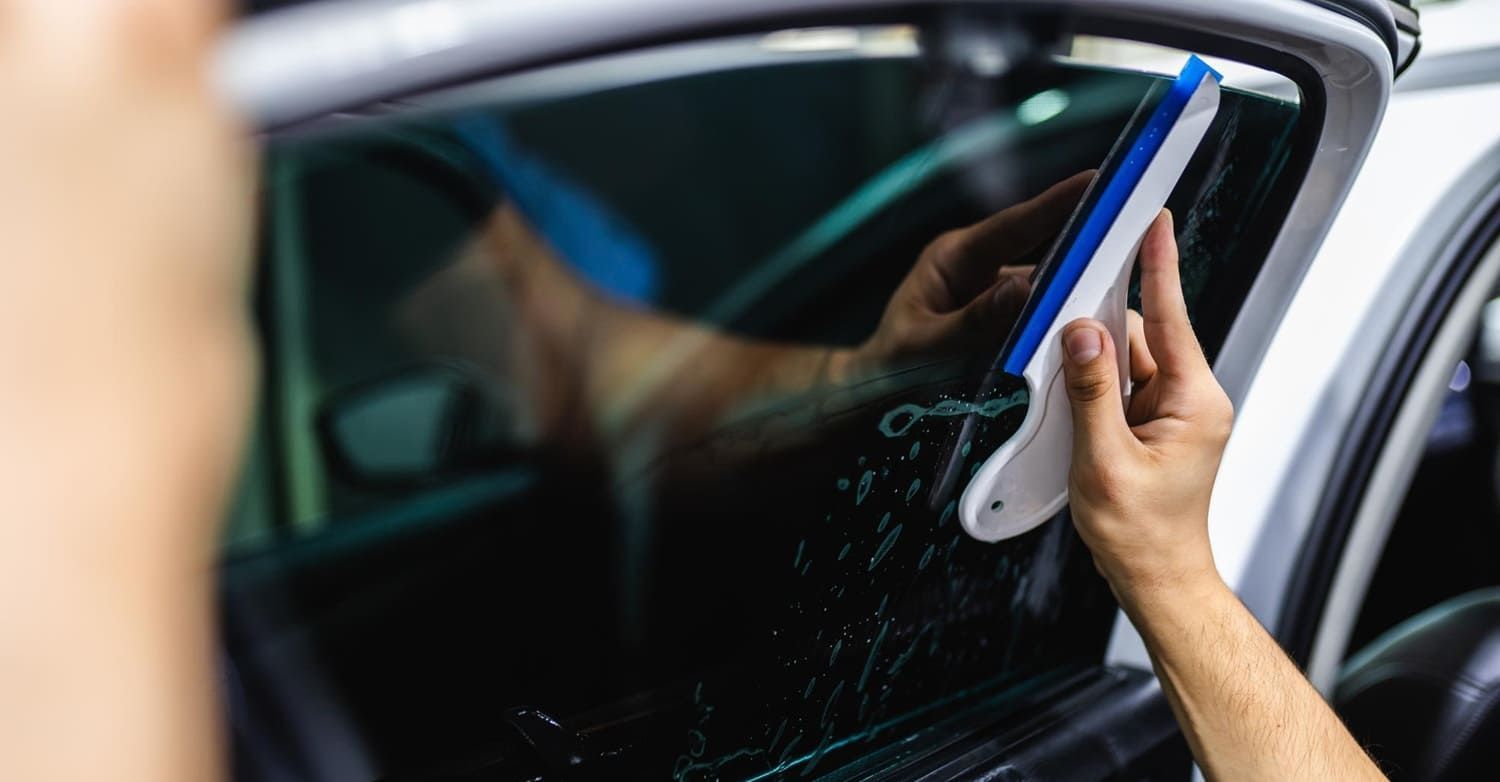
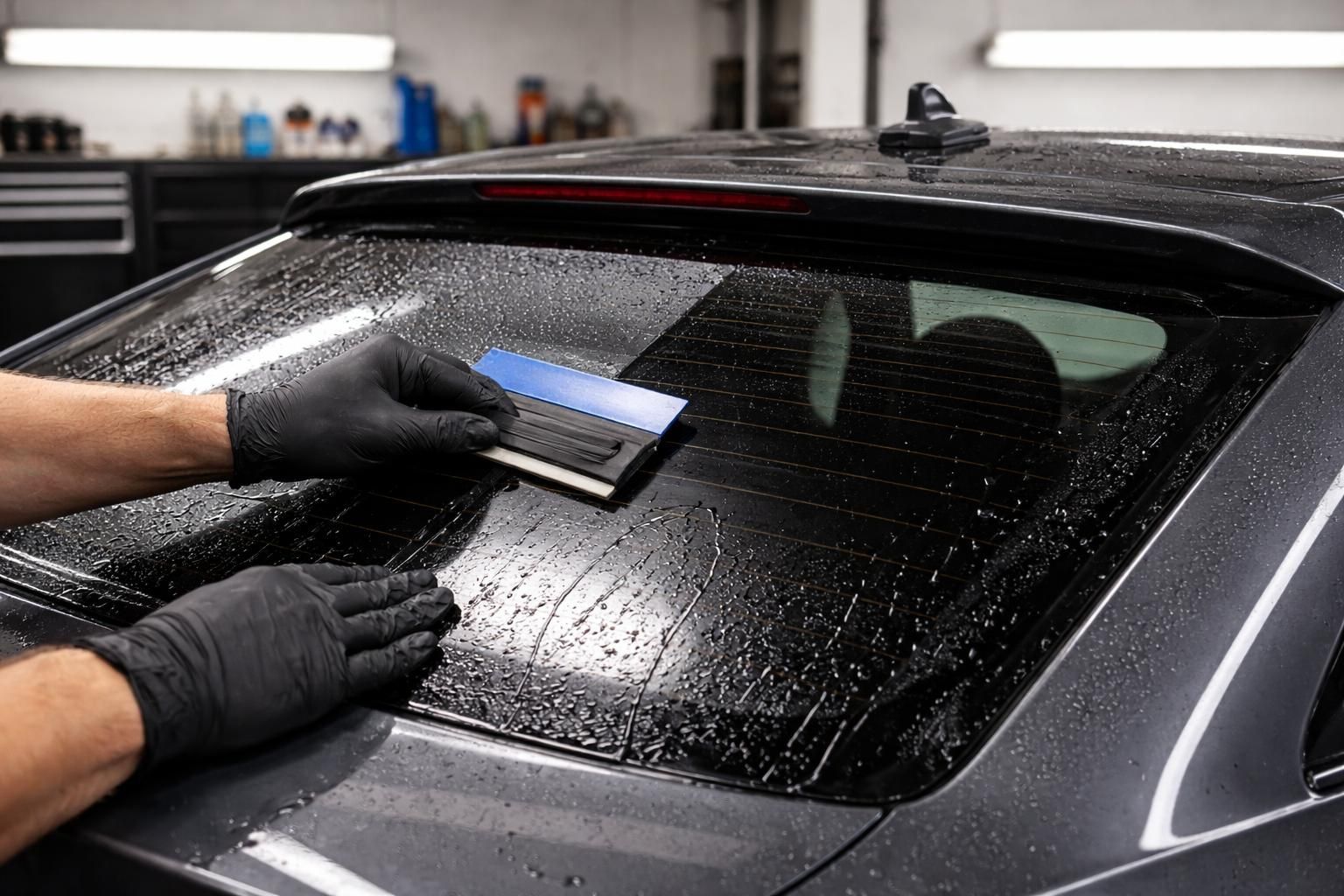
Professional window tint installation typically uses a water-based application solution that allows technicians to position the film accurately.
Most of this liquid is removed during installation, but a small amount can remain between the film and the glass.
Over time, that remaining moisture dissipates, allowing the film to settle into its final appearance.
Drying vs. Curing: What's the Difference?
Although people often use these terms interchangeably, they describe different stages.
Initial drying occurs as visible installation moisture begins disappearing and the film becomes more stable.
Full curing refers to the longer process of moisture dissipation and adhesive stabilization.
Your windows may look completely clear before the film has finished curing.
This distinction matters because rolling down your windows too early or cleaning the film aggressively can interfere with a fresh installation.
How Long Does Window Tint Take to Cure in Florida Humidity?
In Central Florida, window tint curing can take longer than it would in a consistently dry environment.
The following timeframes are general estimates rather than guaranteed deadlines.
| Weather conditions | Approximate automotive tint curing time |
|---|---|
| Warm, relatively dry, sunny weather | 3–7 days for initial drying |
| Typical warm, humid Florida weather | 1–3 weeks |
| Very humid, rainy, or cloudy conditions | 2–4 weeks or longer |
| Cool, damp weather with limited sunlight | Several weeks, depending on film |
Some automotive film manufacturers advise allowing approximately two to three weeks for full curing, with additional time possible under unfavorable conditions.
The important thing to understand is that humidity can extend curing time without indicating an installation problem.
At Flying Window Tinters, we recommend following the aftercare instructions provided for your specific film rather than relying entirely on a general timeline.
Why Does High Humidity Slow Window Tint Drying?
Humidity measures how much water vapor is present in the air relative to the amount it could hold at a particular temperature.
When the surrounding air is already humid, moisture generally evaporates less readily.
Because window film curing depends partly on the gradual release of installation moisture, high humidity can slow the process.
This is especially relevant during Central Florida's rainy season, when frequent afternoon thunderstorms and elevated moisture levels are common.
However, humidity isn't the only factor. Glass temperature, sunlight, ventilation, and film construction also influence drying.
What Factors Affect Window Tint Curing Time?
Several conditions determine how quickly your newly installed tint reaches its final appearance.
Humidity and Rainy Weather
Longwood and Orlando experience humid weather throughout much of the year.
During rainy periods, moisture may take longer to dissipate from beneath newly installed film.
Rain touching the outside of your vehicle generally doesn't damage properly installed interior tint. The primary concern is the moisture remaining between the film and the glass.
Temperature and Sunlight
Warm glass and sunlight can help accelerate moisture evaporation.
However, extremely hot weather doesn't guarantee immediate curing, particularly when humidity remains high.
You also shouldn't use heat guns, hair dryers, or other concentrated heat sources to force the process. Excessive heat can damage the film or create uneven results.
Window Film Type
Different films have different constructions, thicknesses, adhesives, and drying characteristics.
Premium automotive films, including ceramic and multilayer products, may require different curing periods depending on their specifications.
At Flying Window Tinters, we offer FormulaOne automotive window films, including advanced products designed for heat rejection, UV protection, and driving comfort.
The specific film's manufacturer guidance should determine your aftercare routine.
Vehicle Storage and Ventilation
A vehicle parked in a cool, enclosed garage may dry differently from one receiving regular sunlight.
Parking conditions influence glass temperature and airflow, both of which affect moisture evaporation.
Normal vehicle use is generally fine, provided you follow the installer's instructions about operating the windows.
Is It Normal to See Bubbles After Window Tint Installation?
Yes. Small water pockets, temporary haziness, and slight distortion can be normal during the initial curing period.
However, not every bubble is caused by moisture.
Understanding the difference helps you determine whether patience or professional attention is needed.
Normal Curing Signs vs. Possible Installation Problems
| Appearance | What it may indicate | Recommended action |
|---|---|---|
| Small, soft-looking water pockets | Trapped installation moisture | Allow time to cure |
| Slight cloudy or milky appearance | Moisture beneath the film | Monitor for gradual improvement |
| Temporary streaks or uneven clarity | Normal drying patterns | Follow aftercare instructions |
| Large, persistent air pockets | Possible trapped air or adhesion issue | Contact your installer |
| Film lifting along the edges | Possible adhesion problem | Request an inspection |
| Creases or visible contamination | Possible installation defect | Have a professional evaluate it |
A useful rule is to watch whether the appearance gradually improves.
If the same large bubbles remain unchanged, edges begin lifting, or the film develops permanent-looking creases, contact your installer.
Never puncture bubbles with a needle, scrape them with a razor, or attempt to push them out yourself. These methods can permanently damage the film.
How to Care for New Window Tint in Humid Weather
Proper aftercare is especially important during the first several days following installation.
Keep Your Windows Rolled Up
Avoid lowering freshly tinted windows until your installer says it's safe.
A common recommendation is to wait approximately three to five days, although the exact period varies by product and conditions.
Lowering windows prematurely can expose fresh film edges to weatherstripping friction and increase the risk of peeling or shifting.
Avoid Cleaning the Interior Glass
Don't wipe, scrub, or spray the newly tinted interior surfaces during the initial curing period.
Even gentle cleaning can disturb film that hasn't fully stabilized.
Ask your installer when cleaning is permitted, as the appropriate waiting period may differ from the window-opening restriction.
Allow Natural Curing
You don't need to keep your vehicle in direct sunlight all day.
Normal exposure to warm weather and indirect sunlight can support drying, but there's no reason to expose your vehicle to unsafe temperatures.
Avoid attempting to accelerate curing with artificial heat.
Use Film-Safe Cleaning Products
Once cleaning is permitted, use a soft microfiber cloth and a manufacturer-approved, ammonia-free cleaning solution.
Avoid abrasive pads, sharp tools, and aggressive chemicals.
Gentle maintenance helps protect the film's appearance after curing is complete.
Does Ceramic Window Tint Take Longer to Cure?
Ceramic window tint doesn't automatically require a longer curing period than conventional tint.
Curing depends on the specific film's construction, adhesive, thickness, and environmental conditions rather than the word "ceramic" alone.
Premium ceramic films are popular among Florida drivers because they can provide substantial heat rejection without requiring extremely dark windows.
Flying Window Tinters offers FormulaOne automotive films, including Pinnacle and Stratos, designed to improve comfort in demanding driving conditions.
Does Humidity Affect Ceramic Tint Performance?
Humidity primarily affects the installation moisture's drying process, not the film's intended long-term heat rejection.
Once properly cured, quality ceramic window film can continue providing its designed solar-control benefits during Florida's humid summers.
Temporary curing haze shouldn't be confused with permanent film failure.
If you're unsure whether your ceramic tint is curing normally, an experienced installer can evaluate its appearance.
Does Residential Window Film Take Longer to Cure Than Car Tint?
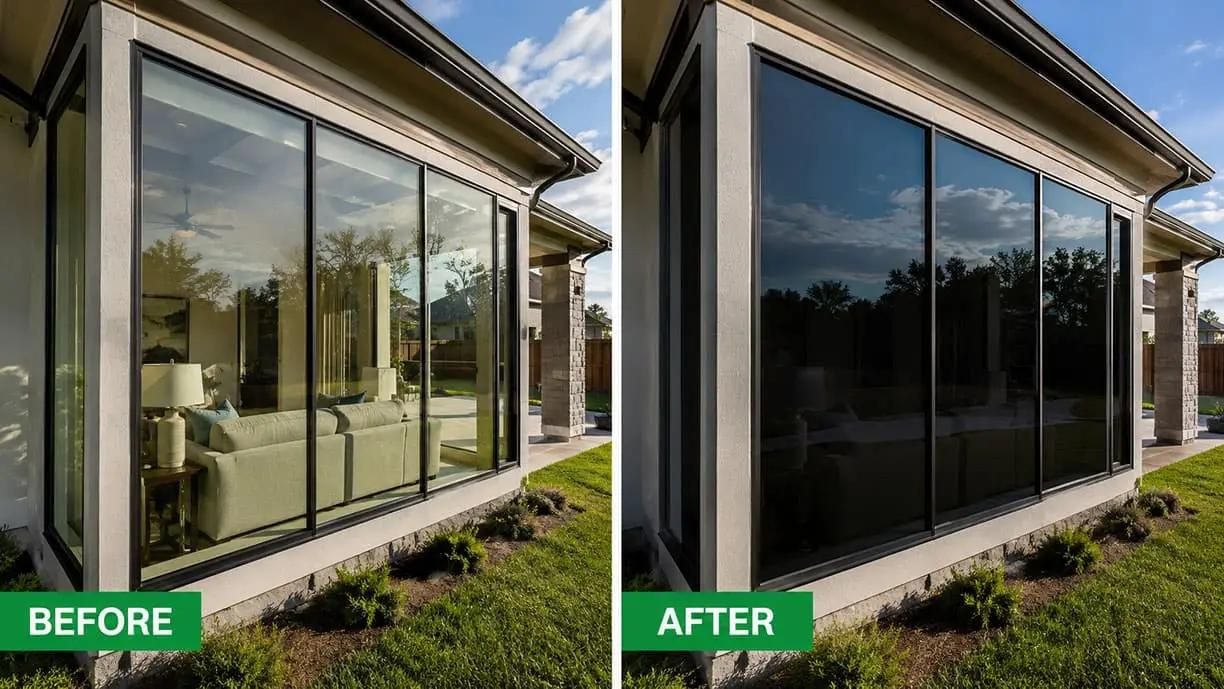
Residential and commercial window films can require longer curing periods than automotive tint.
Larger glass surfaces, different adhesive systems, thicker films, and limited airflow can influence drying.
Some architectural window films require approximately 30 days or longer to reach their final appearance. Certain thicker safety and security films may take substantially more time.
At Flying Window Tinters, we offer Vista residential and commercial window films for homeowners and businesses throughout Longwood, Orlando, and Seminole County.
These films can help reduce solar heat, manage glare, and protect interior furnishings from ultraviolet exposure.
Because architectural films vary considerably, always follow the instructions associated with your particular installation.
When Should You Contact Your Window Tint Installer?
Most temporary curing imperfections improve without intervention, but some symptoms deserve professional evaluation.
Contact your installer if you notice:
- Bubbles growing larger instead of gradually disappearing.
- Film edges lifting, curling, or separating from the glass.
- Permanent-looking creases or wrinkles.
- Visible debris trapped beneath the film.
- Persistent haze beyond the expected curing period.
Avoid attempting repairs yourself, particularly around rear defroster lines or sensitive glass components.
At Flying Window Tinters, we prioritize careful installation and quality over rushing through appointments. We also help customers address problems caused by poorly performed tint installations.
Frequently Asked Questions About Window Tint Curing in Humidity
Can I roll my windows down after 24 hours?
Generally, waiting longer is recommended. Many installers advise keeping windows closed for three to five days, particularly during humid weather. Follow the instructions provided for your specific film.
Does rain ruin freshly installed window tint?
Usually not. Automotive tint is generally installed on the inside of the glass, so ordinary exterior rainfall shouldn't damage a properly installed film. Avoid lowering windows before the recommended waiting period.
Will window tint bubbles disappear on their own?
Small moisture-related bubbles often disappear as the film cures. Air pockets, contamination, and installation-related creases may not. Contact your installer if bubbles persist or become more noticeable.
Can I wash my car while the tint is curing?
Exterior washing generally doesn't directly affect interior window tint. However, avoid pressure washing near vulnerable edges, opening windows prematurely, or cleaning the newly tinted interior glass until your installer approves.
Does parking in the sun help window tint cure faster?
Sunlight can warm the glass and encourage moisture evaporation. However, parking in direct sunlight isn't required, and excessive heat shouldn't be used to force curing.
How do I know when my window tint is fully cured?
The film should appear consistently clear, with temporary moisture pockets and haziness resolved. Since appearance alone doesn't always confirm complete curing, follow the manufacturer's recommended timeframe.
Where can I get professional window tinting near Orlando?
Flying Window Tinters serves Longwood, Orlando, Lake Mary, Sanford, Winter Springs, Altamonte Springs, Oviedo, Maitland, Casselberry, and surrounding Central Florida communities.
Get Professional Window Tinting in Longwood, FL
Florida humidity can make
window tint curing take longer, but that doesn't mean your installation is defective.
With quality film, professional installation, and proper aftercare, temporary moisture and haziness generally resolve as the adhesive stabilizes.
The most important steps are simple: keep your windows closed for the recommended period, avoid cleaning fresh tint, and allow the film to cure naturally.
At Flying Window Tinters, we've served Central Florida since 1981. As an authorized LLumar SelectPro dealer, we offer premium FormulaOne automotive tint and Vista residential and commercial window films.
Our experienced team focuses on precision, product quality, and helping customers understand how to care for their investment.
Call (407) 695-8468 or visit
Flying Window Tinters to request your
free window tint estimate.
Visit us at 407 N US Highway 17-92,
Longwood, FL 32750. We're proud to serve drivers, homeowners, and businesses throughout Orlando, Seminole County, and surrounding Central Florida communities.
Can Window Tint Interfere With ADAS Cameras and Sensors? What Longwood & Orlando Drivers Should Know