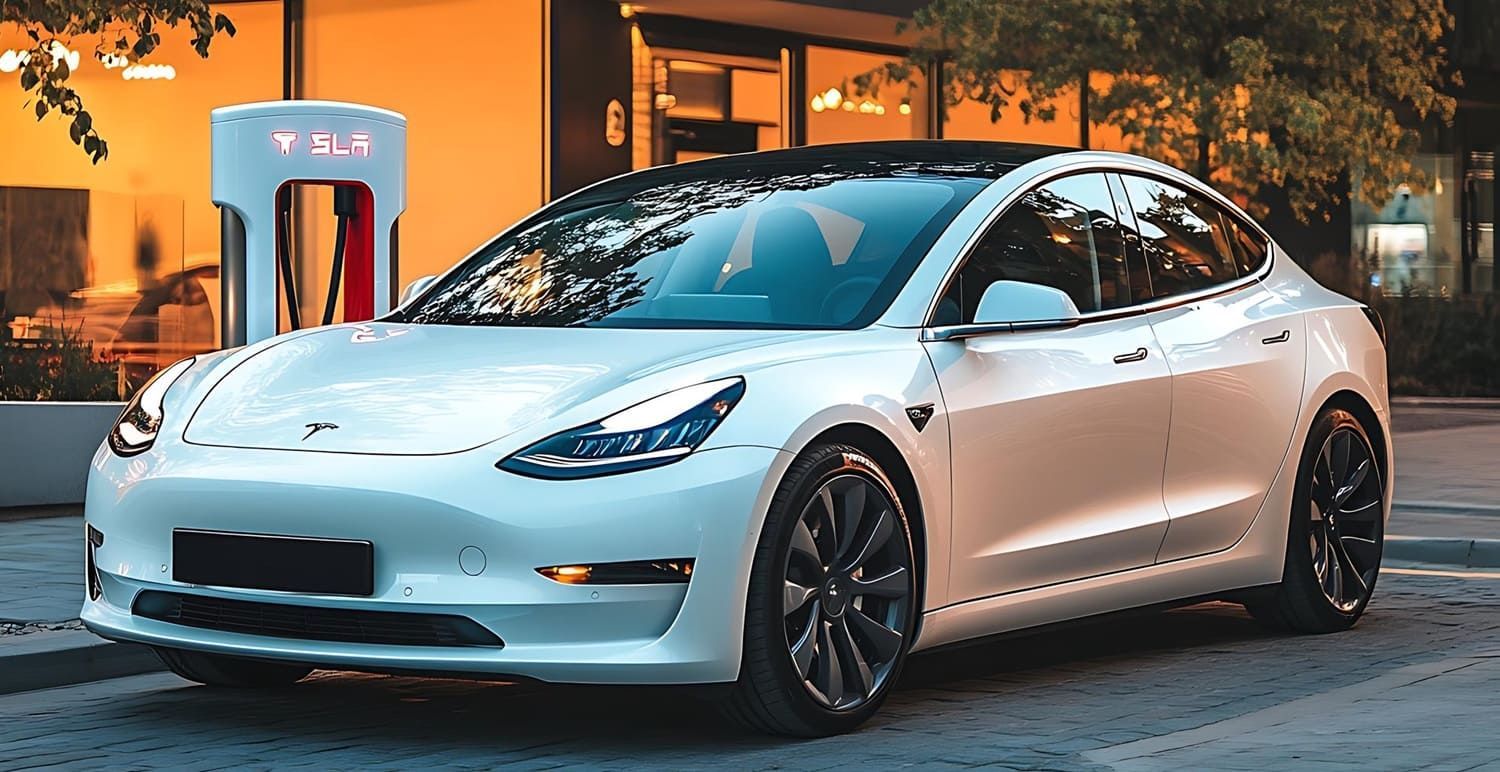
What's the Best Tint for Teslas and EV Glass Roofs?
Tesla and other electric vehicles with panoramic glass roofs look sleek, but they also let far more solar heat into the cabin than a traditional metal roof. That extra heat matters in Central Florida, where strong sun, high humidity, and long summer driving seasons can quickly turn an EV interior into an uncomfortable space. More cabin heat often means the air conditioning system has to work harder, which can affect day to day comfort and increase energy use. The main question for many drivers is simple: what is the best tint for Tesla and EV glass roofs? In most cases, high quality ceramic window film is one of the smartest options because it can help reduce heat, block UV exposure, and maintain clear visibility. Still, the best choice depends on your vehicle’s glass roof size, your comfort goals, how much darkness you want, and how you plan to tint the rest of the vehicle.
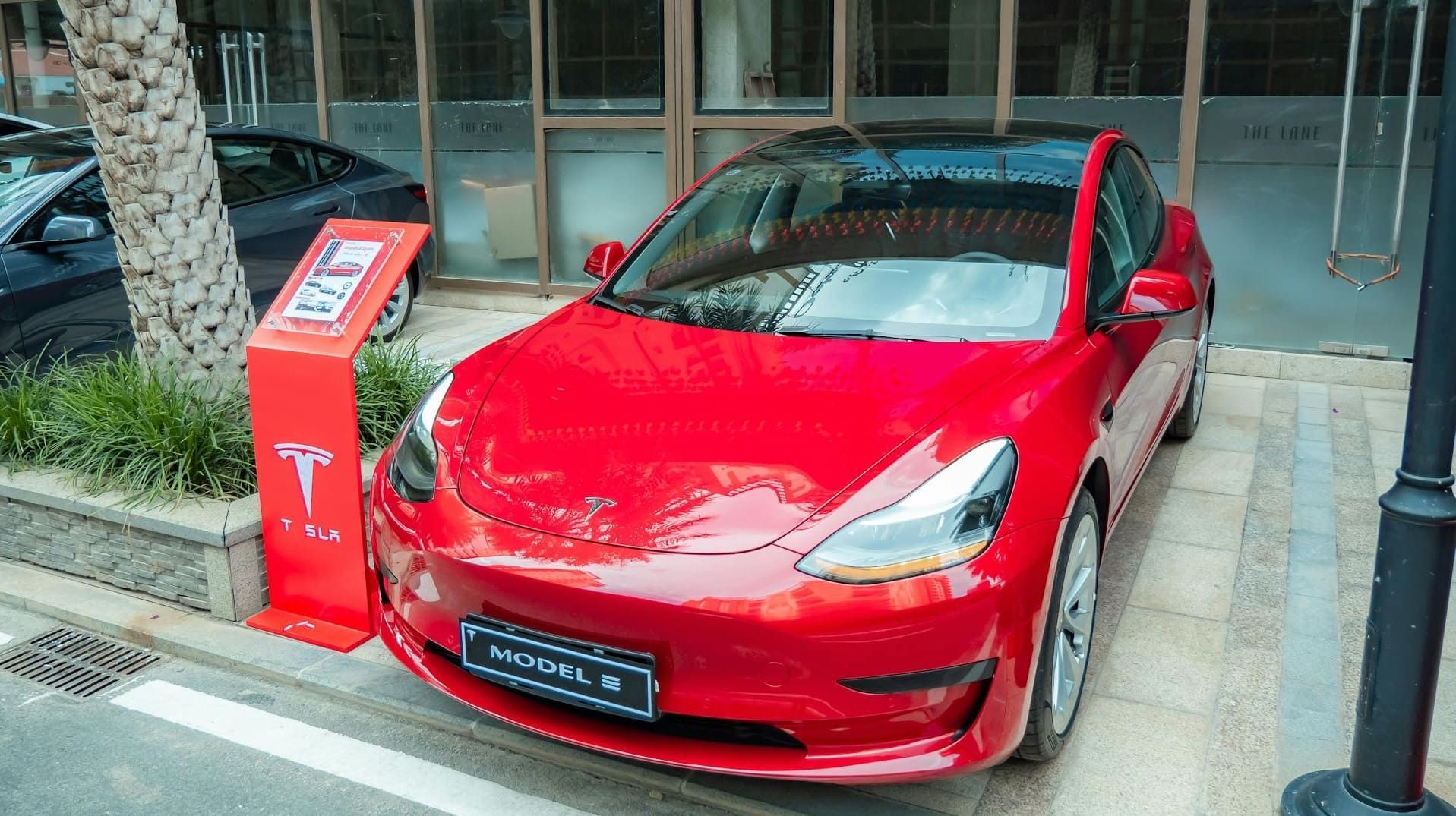
Table of Contents
- Why Tesla and EV glass roofs get hotter than traditional roofs
- How glass roof heat gain affects cabin comfort and battery efficiency
- What makes a window film suitable for large glass roof panels
- Ceramic film vs dyed film vs carbon film for EV glass roofs
- Is tinting a Tesla glass roof legal in Florida
- Choosing the right tint for Tesla windows and glass roof together
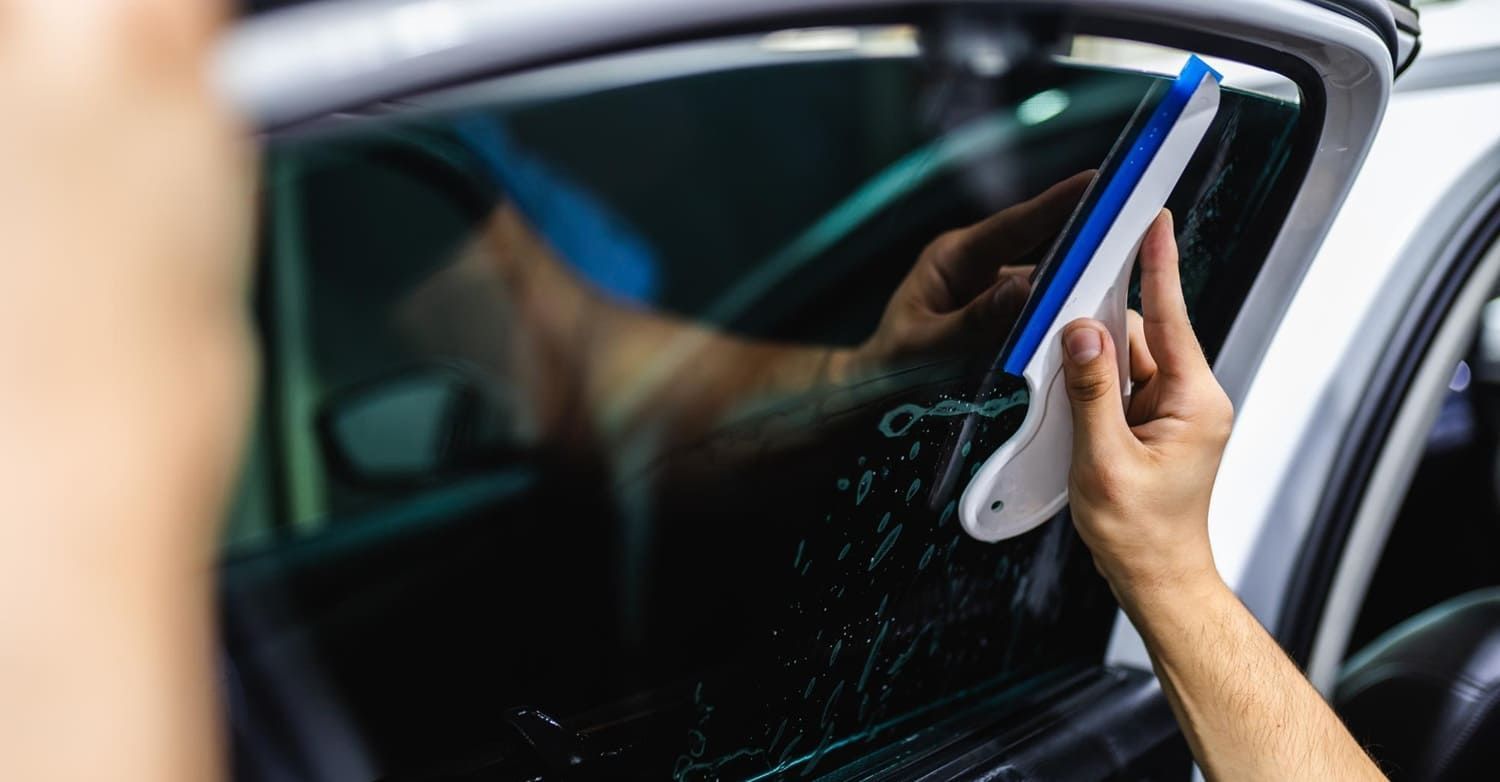
- What to expect from a professional EV tint installation
- FAQ
Why Tesla and EV glass roofs get hotter than traditional roofs
Tesla and EV glass roofs get hotter because glass allows more solar energy into the vehicle than a solid metal roof. Even when factory glass includes some built in treatment, a large transparent panel still absorbs and transfers heat into the cabin. In Florida, this effect is amplified by direct sun, high ambient temperatures, and long parked exposure times.
Large roof glass increases solar exposure
A panoramic roof creates a broad surface area that receives sunlight for hours at a time. That large surface can heat up quickly, especially in a parked vehicle. Compared with a standard roof that blocks light entirely, a glass roof increases radiant heat felt by front and rear passengers.
Heat enters from above, not just from the side windows
Many drivers think side windows are the main source of heat, but an EV glass roof changes that equation. Heat entering from overhead can make seats, headliners, and upper cabin air feel hotter even when the side glass is tinted. That is one reason EV glass roof tint has become a common topic for owners researching better temperature control.
Not all factory glass is equal
Factory roof glass can help with glare and UV, but it is not always optimized for maximum heat rejection in a hot climate. Some owners are surprised to learn that a vehicle can still feel uncomfortably warm despite having factory tinted glass. For Central Florida drivers, aftermarket film is often considered because it adds another layer of solar control tailored to local conditions.
How glass roof heat gain affects cabin comfort and battery efficiency
Glass roof heat gain affects comfort first, but it can also influence how much the climate system needs to work. In an EV, cabin cooling is powered by the battery, so reducing heat load can support more efficient air conditioning use.
Cabin comfort changes immediately
When a glass roof lets in heavy solar heat, the interior can feel harsh within minutes. Drivers may notice hotter seat surfaces, stronger radiant heat on the head and shoulders, and a longer cool down time after entering the vehicle. In Longwood, Orlando, Lake Mary, Sanford, and nearby areas, that difference is especially noticeable during much of the year.
Air conditioning demand can rise
If the cabin starts hotter, the AC system must remove more heat to reach a comfortable temperature. That does not mean tint creates dramatic range gains in every scenario, but it can reduce thermal strain and improve cabin stabilization. For EV owners researching glass roof heat rejection, the practical benefit is often better comfort with less aggressive cooling demand.
Battery efficiency benefits are usually indirect
Tint does not increase battery capacity. Instead, the benefit is indirect. When the vehicle needs less cooling effort, energy use for climate control may be moderated, especially during hot weather driving and parked pre cooling. This can help support more predictable efficiency, which is one reason ceramic tint for electric vehicles is so often recommended.
For search intent purposes, the short answer is this: tinting a Tesla or EV glass roof can help keep the cabin cooler, and a cooler cabin can reduce how hard the air conditioning system needs to work.
What makes a window film suitable for large glass roof panels
The best tint for Tesla glass roofs is not just about darkness. It is about heat rejection, optical quality, stability, and compatibility with modern EV technology.
High heat rejection matters more than appearance alone
Large roof panels benefit most from films designed to reject significant solar heat, including infrared energy. This is where premium ceramic products stand out. A film may look dark, but darkness alone does not guarantee strong thermal performance.
Optical clarity is important overhead
Roof glass is a prominent visual surface. Poor quality film can create haze, distortion, or low angle glare effects. For Tesla owners and other EV drivers who value a premium driving experience, clean optics are a major factor.
Signal friendliness matters in connected vehicles
Modern EVs rely on wireless connectivity, Bluetooth, GPS, and other electronic systems. Metalized films are often avoided because they can introduce signal concerns. High quality ceramic products are preferred when owners want strong heat control without compromising normal wireless performance.
Durability is essential under Florida sun
Roof glass takes intense UV and heat exposure. A film used on this surface should resist fading, bubbling, and long term degradation. That is one reason professional shops often guide EV owners toward premium products with strong manufacturer backing and a lifetime warranty.
For owners looking for the best tint for Tesla, FormulaOne ceramic film is often positioned as a premium option because it combines strong heat rejection, clear visibility, signal friendly performance, and durability for long term use.
Ceramic film vs dyed film vs carbon film for EV glass roofs
For EV glass roof tint, ceramic film is usually the best all around choice. Carbon film is a mid tier alternative for drivers focused on appearance and moderate performance. Dyed film is generally the least suitable for large roof panels in hot climates.
| Film Type | Heat Rejection Performance | Infrared Rejection | UV Protection | Wireless or Sensor Interference | Clarity and Optical Quality | Durability and Fade Resistance | Typical Cost |
|---|---|---|---|---|---|---|---|
| Ceramic Film | Excellent | High | Excellent | Very low risk | Excellent | Excellent | Highest |
| Carbon Film | Moderate to good | Moderate | Very good | Low risk | Good | Good | Mid range |
| Dyed Film | Basic to moderate | Low | Good | Low risk | Fair to good | Lower over time | Lowest |
Ceramic film for EV glass roofs
Ceramic film is widely considered the best tint for Tesla and EV glass roofs because it is designed for high heat rejection without relying on metal. It typically offers strong infrared blocking, excellent UV protection, and better long term performance in a hot climate. For drivers searching Tesla window tint Orlando or Tesla tint Longwood FL, ceramic film is often the premium recommendation.
Carbon film for EV glass roofs
Carbon film can be a reasonable option for some vehicles when budget and appearance matter, but it usually does not match ceramic film for top tier thermal control. It may still improve comfort compared with untreated glass, though it is often a step behind premium ceramic technology for large overhead panels.
Dyed film for EV glass roofs
Dyed film is generally better suited to entry level applications than panoramic EV roofs. It may reduce glare and darken the glass, but it often provides the weakest heat rejection of the three. In Central Florida conditions, that can limit its value for owners who want a noticeably cooler cabin.

Is tinting a Tesla glass roof legal in Florida
In Florida, the legality of tint depends on the glass location and visible light transmission requirements that apply to certain windows. The glass roof itself is generally evaluated differently from primary driver visibility areas, but legal compliance should always be reviewed as part of a professional installation plan.
Florida side and rear window rules matter most
For most passenger vehicles in Florida, front side windows must allow more than 28 percent of visible light through, and rear side windows and the rear window must allow more than 15 percent. A non reflective windshield strip is allowed above the manufacturer’s AS 1 line.
| Vehicle Glass Area | Typical Florida Passenger Vehicle Rule | Practical EV Tint Note |
|---|---|---|
| Front Side Windows | More than 28% VLT | Choose a legal shade that still supports heat rejection |
| Rear Side Windows | More than 15% VLT | Darker options may be legal depending on final measured VLT |
| Rear Window | More than 15% VLT | Important to account for factory glass darkness |
| Windshield Strip | Allowed above AS 1 line | Keep strip placement compliant |
Glass roof legality should be evaluated professionally
Roof glass is not the same as a windshield or front side window, but legality questions can still depend on film choice, light transmission, and how the vehicle is equipped. Because laws and interpretation can change, drivers should confirm current compliance with a professional installer before selecting final shades.
The simple answer for voice search and featured snippets is this: yes, a Tesla glass roof can often be tinted, but Florida legal limits for side windows and windshield areas must still be respected, and the final film selection should be reviewed for compliance.
Choosing the right tint for Tesla windows and glass roof together
The best results usually come from treating the EV as a full system instead of choosing roof tint in isolation. Glass roof tint, side window tint, and rear glass tint should work together for comfort, appearance, and legal compliance.
Match performance goals first
If your top priority is heat rejection, ceramic film is often the most logical place to start for both the roof and side glass. This approach helps create a more balanced cabin and avoids having one untreated area undermine the rest of the package.
Consider darkness separately from performance
Some EV owners want a darker appearance, while others want a nearly clear look with strong thermal control. Premium ceramic films can support both goals because heat rejection is not dependent only on darkness. That flexibility is helpful for owners who want comfort without making the roof look excessively dark.
Think about local driving conditions
Drivers in Longwood, Winter Park, Oviedo, Altamonte Springs, Maitland, Lake Mary, Sanford, Winter Springs, Windermere, Casselberry, and the greater Orlando area face heavy sun exposure for much of the year. That climate makes performance oriented tint selection especially important. Searching for window tinting for EVs is no longer just about style. It is about reducing solar load in real Florida conditions.
Premium brand selection matters
Flying Window Tinters uses LLumar FormulaOne window film products as a SelectPro Dealer. For EV owners who want premium results, FormulaOne ceramic film is a strong fit because it is designed for excellent heat rejection, clear optics, signal friendly performance, and long term durability backed by a lifetime warranty.
What to expect from a professional EV tint installation
A professional EV tint installation should begin with a consultation about your vehicle, your comfort goals, and the legal limits that apply to visible areas. The best installers do more than sell darkness levels. They help match film performance to the way you use the vehicle.
Vehicle specific recommendations
Tesla models and other EVs can have large one piece glass sections, unique curves, and electronics that require careful handling. A professional shop should evaluate the roof size, existing factory glass, and whether you want to tint only the roof or the full vehicle.
Clean installation standards
Large roof panels demand precision. Proper preparation, careful handling, and quality installation practices all affect the final result. Clean edges, low contamination, and consistent adhesion matter even more on a highly visible glass roof panel.
Post installation expectations
After installation, the film may need time to fully cure. A professional installer should explain aftercare, realistic timelines, and warranty coverage. For EV owners, that consultation is also a chance to discuss expected comfort improvements and how the selected film complements factory glass.
If you are comparing providers for Tesla tint Longwood FL or Tesla window tint Orlando, look for experience with EV glass roofs, premium ceramic products, and a clear explanation of legal VLT considerations.
FAQ
What is the best tint for a Tesla glass roof?
For most owners, ceramic film is the best choice because it offers strong heat rejection, high UV protection, clear visibility, and minimal risk of interfering with wireless connectivity.
Does tinting a glass roof help with range or battery efficiency?
It can help indirectly by reducing cabin heat load, which may lower how hard the air conditioning system needs to work in hot weather.
Is it legal to tint a Tesla glass roof in Florida?
It often can be, but legal compliance depends on the glass area, the film used, and how Florida tint rules apply to visible windows and windshield areas.
Will ceramic film interfere with Tesla sensors or Autopilot?
High quality non metalized ceramic film is generally chosen specifically to avoid the signal concerns associated with some metal based films.
How much heat does an untinted glass roof let in?
The exact amount varies by vehicle and factory glass, but an untreated or lightly protected roof can allow substantial solar heat into the cabin, especially during parked exposure in direct Florida sun.
Can glass roof tint reduce interior fading and UV damage?
Yes. Quality film can block a high percentage of UV rays, which helps protect interior materials and supports long term cabin preservation.
What VLT percentage is legal for Tesla side windows in Florida?
For most passenger vehicles, front side windows must allow more than 28 percent of visible light through, while rear side windows must allow more than 15 percent.
How long does EV glass roof tint last?
Premium films can last for many years when professionally installed. Longevity depends on film quality, installation quality, and environmental exposure.
Does tinting a glass roof affect cell signal or GPS?
Ceramic film is often preferred because it is designed to deliver heat rejection without the signal issues commonly associated with some metalized products.
How much does it cost to tint a Tesla glass roof?
Pricing depends on the vehicle, roof size, film type, and whether you are tinting only the roof or combining it with side and rear windows. Premium ceramic options typically cost more than dyed or carbon films.
Conclusion
If you own a Tesla or another EV with a panoramic roof, managing heat from above is one of the most important parts of improving cabin comfort in Central Florida. Large glass roof panels can increase cabin heat, extend cool down times, and make the climate system work harder. That is why many drivers researching the best tint for Tesla, EV glass roof tint, or ceramic tint for electric vehicles end up focusing on premium ceramic film. It offers the strongest overall balance of heat rejection, clarity, UV protection, and signal friendly performance.
For drivers in Longwood, Orlando, Lake Mary, Sanford, Winter Park, Winter Springs, Maitland, Altamonte Springs, Oviedo, Windermere, and Casselberry, Flying Window Tinters can help you choose the right LLumar FormulaOne film package for your roof and windows. Contact Flying Window Tinters for a free estimate and expert recommendation on the best FormulaOne option for a cooler, more comfortable EV.
Can Window Tint Interfere With ADAS Cameras and Sensors? What Longwood & Orlando Drivers Should Know