Is Ceramic Tint Worth It in Florida Heat?
Florida heat is not just uncomfortable. In Central Florida, the UV index is frequently extreme, humidity amplifies perceived temperature, and infrared energy pours through glass year-round. That combination makes window tinting one of the most practical upgrades a driver, homeowner, or business owner can make. Ceramic window tint is widely considered the highest-performing film category in 2026 because it is engineered to reject heat and infrared while maintaining clarity and long-term color stability. Still, the price gap is real, so many people in Longwood, Orlando, Lake Mary, Sanford, Winter Park, Winter Springs, Maitland, Altamonte Springs, Oviedo, Windermere, and Casselberry ask the same question: is ceramic tint worth it in Florida? For most Florida drivers and property owners, the answer is yes because the comfort, UV protection, and heat rejection benefits add up quickly. The right choice, however, depends on your vehicle or building, your daily sun exposure, your budget, and the quality of the film and installer you choose.
Table of Contents
- What Is Ceramic Window Tint and How Is It Different?
- Why Florida's Climate Makes Ceramic Tint Smart
- Ceramic vs Dyed vs Carbon: Central Florida Heat
- Real Benefits for Drivers, Homes, and Businesses
- How Much Does Ceramic Tint Cost Locally?
- Florida Window Tint Laws for 2026
- Choosing a Ceramic Tint Installer in Central FL
What Is Ceramic Window Tint and How Is It Different From Other Film Types?
Ceramic window tint is a non-metal, high-performance film that uses advanced ceramic particles (often nano-ceramic in premium lines) to reduce heat and infrared energy without relying on metal layers. In plain terms, it is designed to keep interiors cooler while staying clear and signal-friendly.
How ceramic film is built
All quality tint films include an adhesive layer and a scratch-resistant coating, but performance comes from the film's functional layer. Dyed film uses dye to darken and reduce glare. Carbon film uses carbon-based materials for better color stability and improved heat rejection. Ceramic film uses ceramic technology to deliver strong infrared rejection and stable performance over time, even when exposed to intense Florida sun.
Why ceramic tint is popular in 2026
Ceramic tint has become the go-to answer for people searching “best window tint for Florida heat” because it offers a more complete solution: cabin comfort, UV protection, glare control, and reduced fading, all with premium clarity. For modern vehicles with sensitive electronics and for homeowners who do not want reflective or mirrored looks, ceramic technology is especially appealing.
Where FormulaOne fits
Flying Window Tinters is an exclusive LLumar SelectPro Dealer offering the FormulaOne High Performance Auto Window Tint line, including the Pinnacle Series ceramic and the Stratos Series nano-ceramic, plus Vista Films for residential and commercial use. If you are researching “FormulaOne ceramic window tint Central Florida,” it is typically because you want a premium film and a manufacturer-backed lifetime warranty installed by a trained team.
Why Florida's Climate Makes Ceramic Tint a Smart Investment
Florida is a stress test for window film. High UV exposure, high ambient temperatures, and constant sun intensity can punish lower-grade films quickly. The practical question is not just whether tint looks good, but whether it performs reliably for years in Central Florida conditions.
Heat and infrared are the real enemy
Many people associate heat with sunlight brightness, but much of the discomfort is driven by infrared radiation. That is why two cars can look similarly tinted yet feel very different inside. A high-performing ceramic film targets infrared energy more effectively than many dyed options, and typically more effectively than entry-level carbon films.
UV exposure is constant, even on “short drives”
UV damage accumulates. For drivers commuting through Longwood, Lake Mary, Sanford, Maitland, and Orlando, or homeowners dealing with sun-facing windows all afternoon, UV protection is a daily concern. Quality films can help block the vast majority of UV, which supports interior longevity and reduces the risk of fading and cracking on dashboards, seats, floors, and furnishings.
Humidity and glare add to fatigue
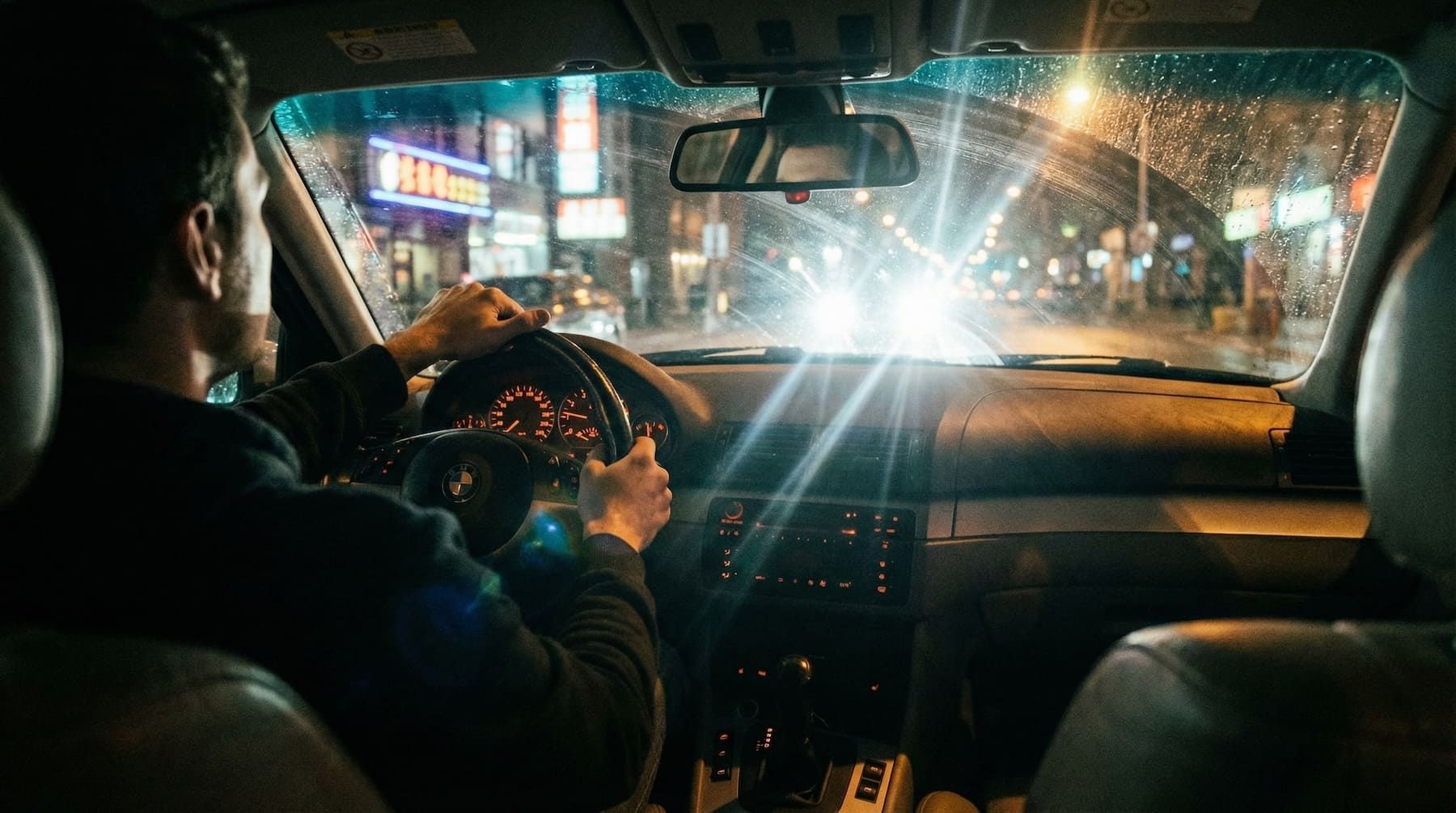
Central Florida glare can be intense, especially on I-4 and during afternoon storms when the sun breaks through at low angles. Tint can reduce glare and improve comfort, which can help reduce eye strain and driving fatigue. Ceramic film is often chosen because it provides heat control without forcing you into the darkest shades.
Ceramic Tint vs Dyed Tint vs Carbon Tint: Which Performs Best in Central Florida Heat?
If you are comparing “ceramic vs dyed tint Florida” or deciding between ceramic and carbon, start with this principle: performance is not only about darkness . It is about total heat reduction, infrared rejection, long-term stability, and how well the film holds up in the Florida climate.
Structured comparison: Dyed vs Carbon vs Ceramic
Dyed Window Tint
- Heat rejection in Florida: Low to moderate. Can feel hot in peak sun.
- UV protection: Varies by brand. Often marketed well, but performance and longevity vary.
- Infrared (IR) rejection: Typically low.
- Color stability: More likely to fade or shift over time in Florida sun.
- Signal interference: Typically none when non-metal, but quality varies.
- Approx. price range: $ (entry-level option).
- Recommended for Florida drivers: No . Lower heat performance can make the cabin feel almost unchanged on hot days.
Carbon Window Tint
- Heat rejection in Florida: Moderate. Better than dyed, but varies by product line.
- UV protection: Typically strong with reputable brands.
- Infrared (IR) rejection: Moderate.
- Color stability: Generally good, less fading than dyed films.
- Signal interference: Usually none if non-metal.
- Approx. price range: $$ (mid-range).
- Recommended for Florida drivers: Maybe . Works for budget-focused owners who still want improved comfort, but it may not deliver the “wow” reduction in heat.
Ceramic Window Tint
- Heat rejection in Florida: High. Designed for hot climates.
- UV protection: Typically excellent with premium brands.
- Infrared (IR) rejection: High, often the biggest real-world difference.
- Color stability: Excellent. Built for long-term performance.
- Signal interference: Low to none because it is non-metal technology.
- Approx. price range: $$$ (premium).
- Recommended for Florida drivers: Yes . The long-term comfort and performance are typically worth the premium in Central Florida sun.
FormulaOne Pinnacle vs FormulaOne Stratos (Central FL)
For people shopping premium films in Orlando and Seminole County, FormulaOne is often on the shortlist. Here is a practical way to think about Pinnacle (ceramic) vs Stratos (nano-ceramic).
- Stratos Series (nano-ceramic): Built for maximum heat and IR rejection in extreme sun exposure. Best for drivers who park outside, have long commutes, drive high-glass vehicles, or simply want the top performance available. Premium clarity and manufacturer warranty through an authorized dealer.
- Pinnacle Series (ceramic): A strong premium choice that delivers high heat reduction and comfort with excellent longevity. Best for drivers who want premium ceramic performance at a lower step than flagship nano-ceramic. Great fit for daily drivers and families in Central Florida.
Bottom line: Both are premium solutions. Stratos is typically chosen when you want the highest-performing comfort upgrade. Pinnacle is often the best balance of cost and premium ceramic performance.
Real Benefits of Ceramic Window Tint for Florida Drivers and Homeowners
When people ask “is ceramic tint worth it in Florida heat,” they are usually asking about real-world changes they can feel and measure in daily life. Here are the benefits that matter most in Longwood and the surrounding Central Florida area.
1) Noticeably cooler interiors on hot days
Ceramic film is designed to reduce heat transfer through glass. In practice, that can mean a car that feels less like an oven when you get in, and a home or office that feels more comfortable near windows. You will still need AC in Florida, but many customers report that the AC can feel more effective because the sun load is reduced.
2) Reduced glare without going too dark
Glare control improves comfort and visibility. Ceramic tint can reduce harsh sunlight and reflections while allowing you to choose a shade that fits your comfort and legal requirements. This is especially helpful for drivers who want comfort but do not want an overly dark appearance.
3) Strong UV protection for interiors
UV exposure is a major factor behind fading, cracking, and premature aging of interiors. For vehicles, that includes dashboards, leather, vinyl, and trim. For homes and businesses, it includes flooring, furniture, artwork, displays, and merchandise. Many premium films are engineered for high UV protection, which is a key reason ceramic tint is positioned as a long-term investment.
4) Signal-friendly performance for modern electronics
Florida drivers rely on GPS, Bluetooth, cellular data, and satellite radio. Ceramic films are non-metal, which typically helps avoid the signal interference problems associated with some older metallic film types. If you have a newer vehicle with advanced driver assistance systems and connected features, this is a practical benefit.
5) Better long-term value in Florida sun
Lower-quality films can discolor or fade, especially in hot climates. Replacing tint is not just a cost issue. It can involve downtime, adhesive cleanup, and the frustration of doing the job twice. In many Central Florida use cases, paying more once for a premium ceramic film and expert installation can be the more cost-effective path over the life of the vehicle or property.
How Much Does Ceramic Window Tint Cost in the Orlando and Longwood Area?
Pricing varies based on vehicle size, the number of windows, film series, shade choice, and whether you tint a sunroof or specialty glass. The market also varies between entry-level shops and premium dealers that use top-tier film lines and provide manufacturer-backed warranties.
Local pricing factors that affect your quote
- Vehicle type: Sedans typically cost less than SUVs and trucks due to glass area and complexity.
- Film performance level: Premium ceramic and nano-ceramic cost more than carbon or dyed films.
- Installer expertise: Higher-end installers invest in training, tools, and quality control.
- Warranty coverage: Manufacturer-backed warranties through authorized dealers are a meaningful value.
What most Central Florida buyers should expect
In general, ceramic tint is priced above carbon and dyed films. While exact numbers depend on your specific vehicle and film line, you should expect ceramic tint pricing to reflect its premium heat and IR rejection technology and long-term durability. If you are searching “ceramic window tint Orlando” or “ceramic tint Longwood FL,” it is smart to compare quotes, but also compare what film series is included, whether the shop is authorized, and what warranty you receive.
Residential and commercial ceramic film cost considerations
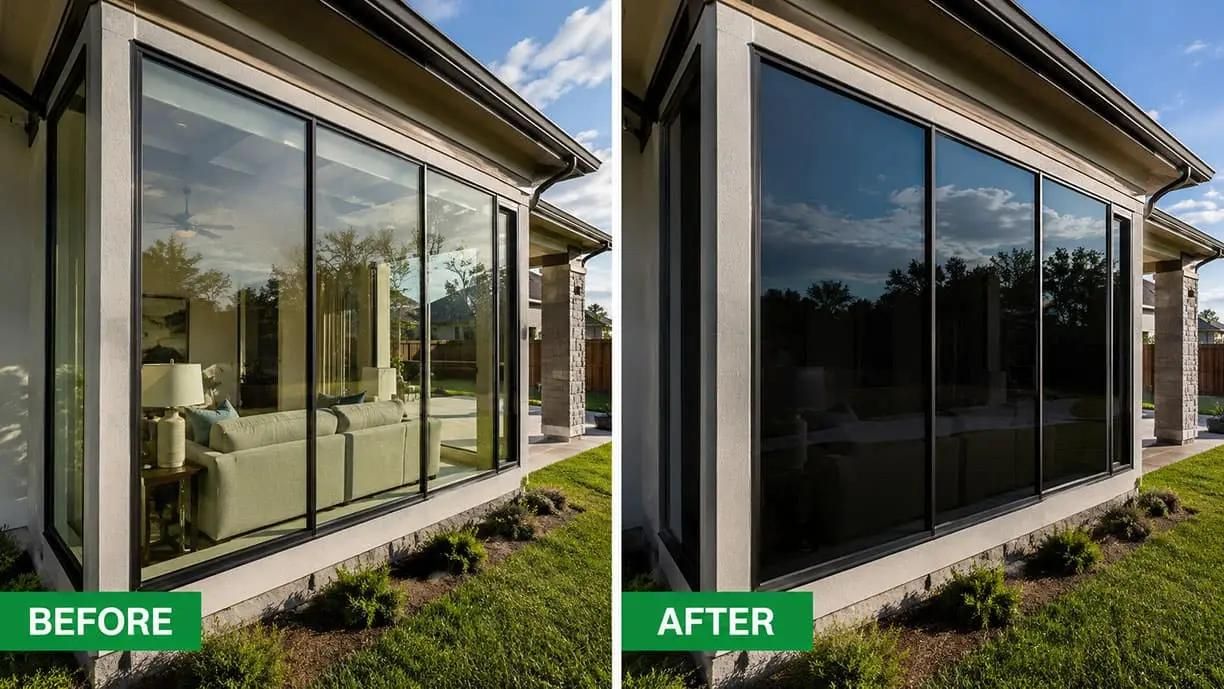
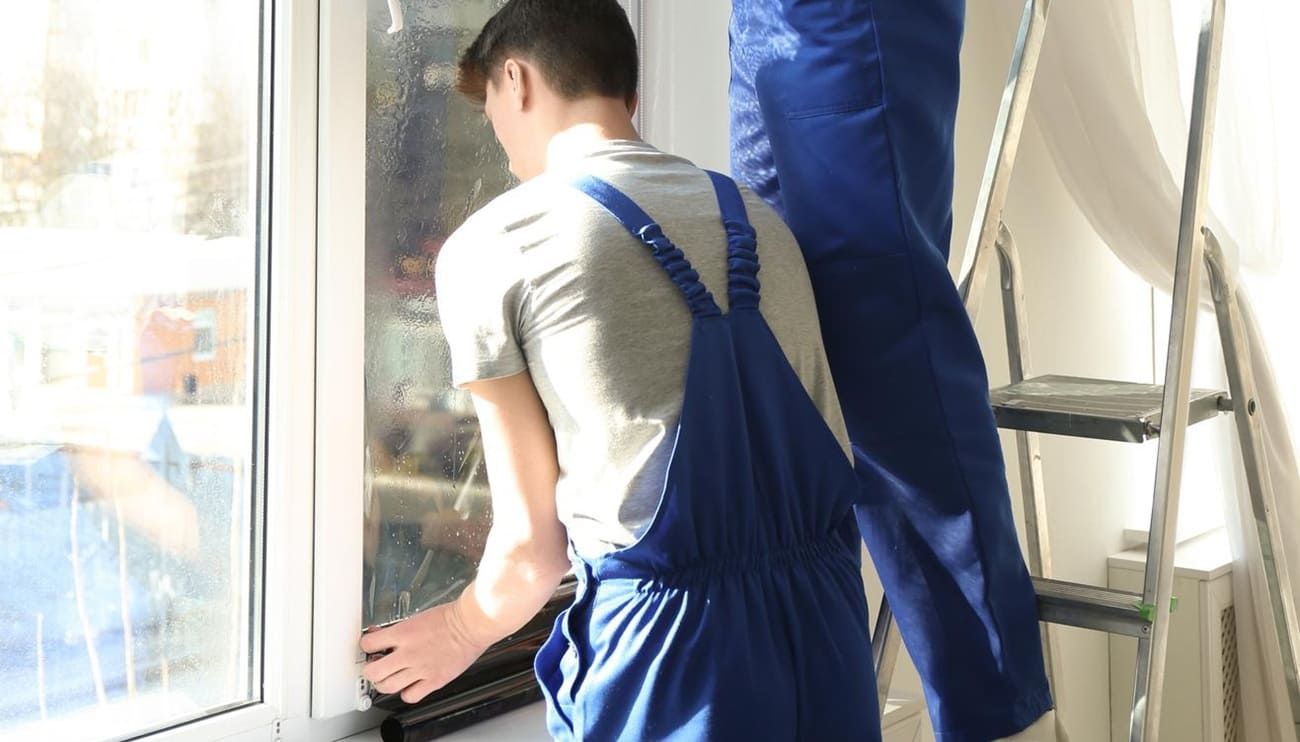
For homes and businesses, pricing often depends on window size, quantity, accessibility, and film choice. Vista Films offers options designed for residential and commercial comfort and UV protection needs. The best way to estimate is an on-site or photo-based quote that accounts for your glass type and sun exposure patterns.
Florida Window Tint Laws: What Longwood and Orlando Drivers Need to Know in 2026
Legal compliance matters because the best film is the one you can drive with confidently. Florida tint laws define how dark your tint can be based on vehicle type and window location. If you are asking “What window tint is legal in Florida?” you are already thinking the right way.
What to do before you choose a tint shade
- Confirm your vehicle type and any special requirements.
- Choose a shade that meets legal limits for your front side windows and windshield rules.
- Work with a professional installer who understands Florida compliance.
Important note: Tint laws can be updated, and enforcement can vary by area. A professional shop should help you select legal options for Longwood, Orlando, and the surrounding Central Florida region.
What to Look for When Choosing a Ceramic Tint Installer in Longwood and Central Florida
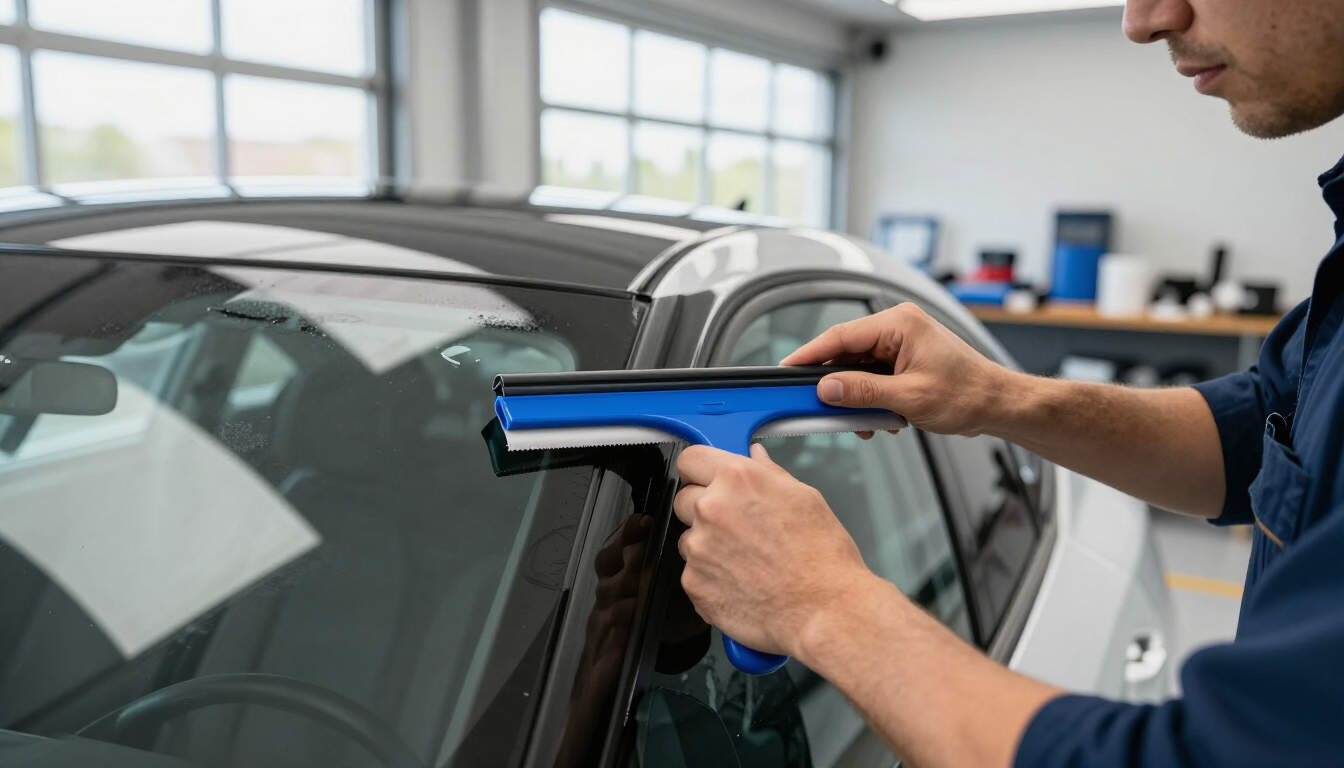
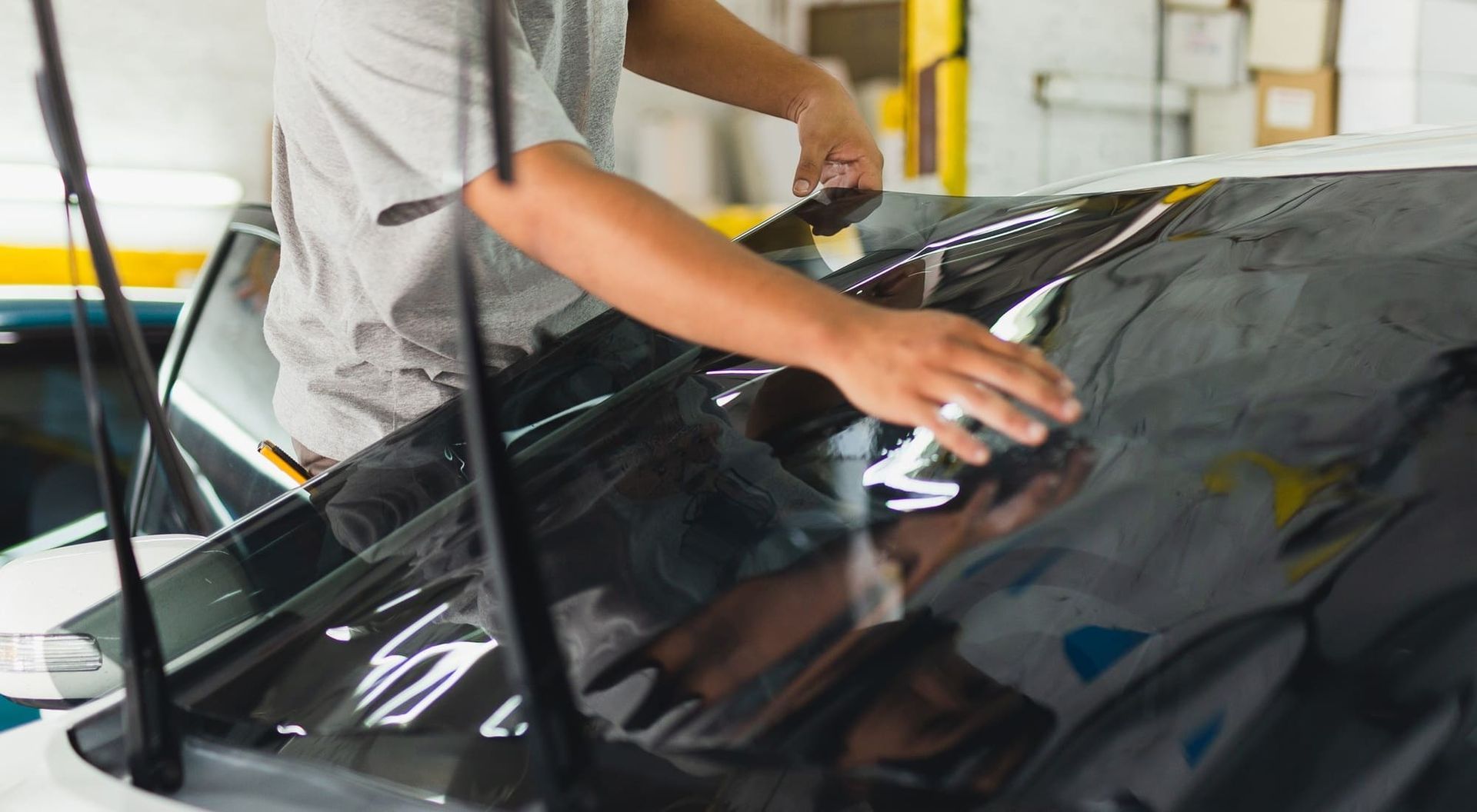
Even the best film can underperform if the installation is not precise. For people searching “window tinting near me Longwood,” the right installer is often the difference between a result that looks perfect for years and a result that bubbles, peels, or needs replacement.
Checklist: how to choose a shop you can trust
- Authorized dealer status: If you want FormulaOne ceramic and nano-ceramic films by LLumar, confirm the shop is an authorized dealer so your warranty is valid.
- Clear film selection guidance: A pro should explain dyed vs carbon vs ceramic in plain language and help you choose based on heat, budget, and legality.
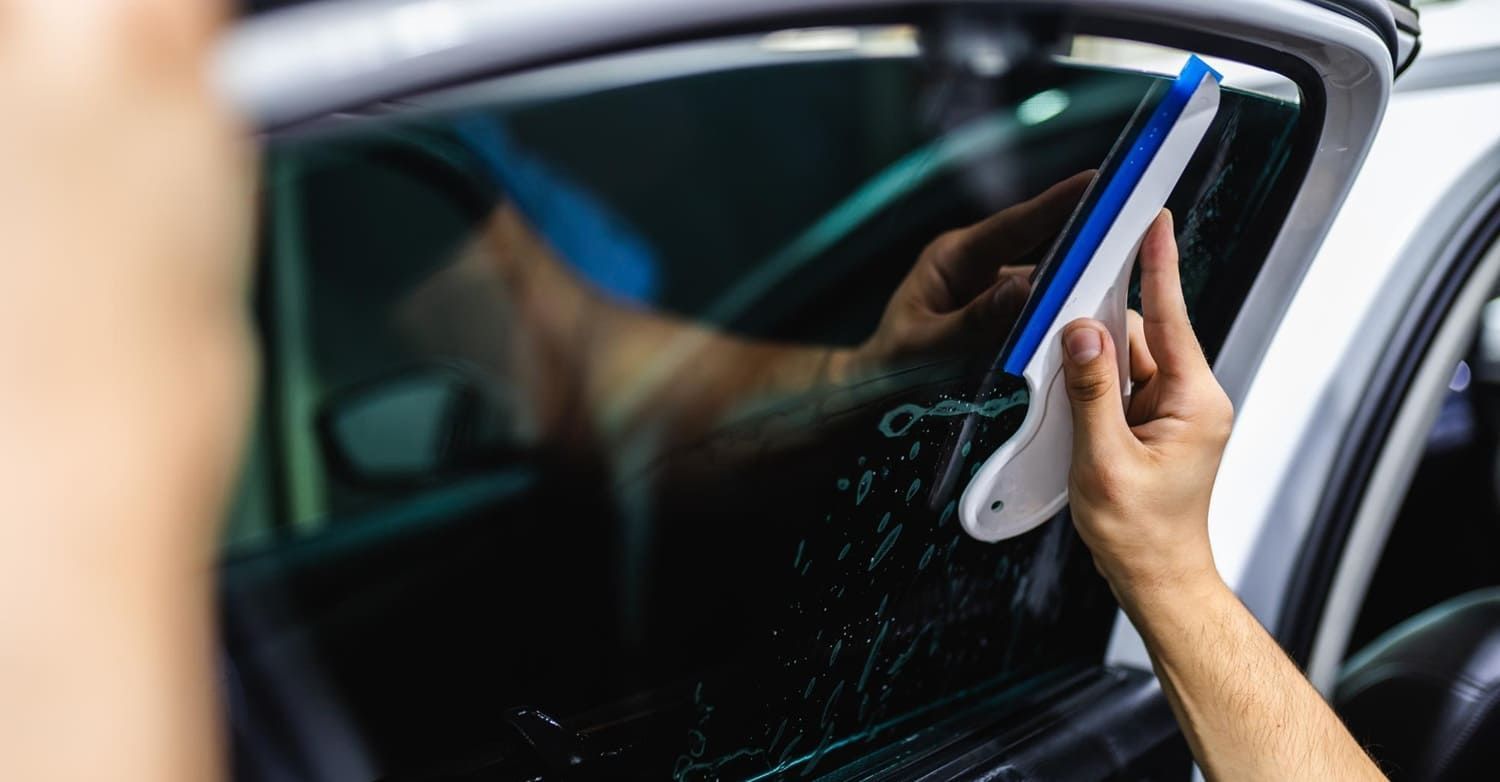
- Quality-first process: Look for consistent installation standards, clean work areas, and attention to edges, seals, and shrink technique.
- Warranty and support: Manufacturer-backed warranties and a long-standing local reputation reduce risk.
- Local experience: Central Florida heat and sun exposure make material selection and install technique even more important.
FAQ (10 questions Central Florida buyers ask)
Is ceramic window tint really worth the extra cost in Florida?
For most Central Florida drivers and property owners, yes. The combination of heat rejection, infrared reduction, and long-term stability typically justifies the premium when you live with intense sun year-round.
How much cooler does ceramic tint keep a car in Florida heat?
Results vary by vehicle, shade, and film series, but ceramic tint is designed to reduce heat load and improve comfort. Many owners notice the difference most during peak sun and when parked outside.
What is the difference between ceramic tint and regular tint?
“Regular” often means dyed film. Ceramic tint uses ceramic technology to improve heat and infrared rejection and maintain color stability over time.
Does ceramic tint block UV rays better than other film types?
Premium films across several categories can provide strong UV protection, but ceramic is often chosen because it pairs UV protection with higher heat and infrared control.
Will ceramic tint interfere with my GPS, radio, or phone signal?
Ceramic films are non-metal, so they are typically chosen specifically to minimize signal interference compared to some metallic films.
How long does ceramic window tint last in Central Florida's climate?
With quality film and professional installation, ceramic tint is designed for long-term performance. Warranty coverage can vary by product and authorized dealer status.
What are the legal tint limits for cars in Florida in 2026?
Florida sets specific visible light transmission limits based on window location and vehicle type. Confirm current limits and choose an installer who helps you stay compliant.
Can ceramic window tint be applied to home windows in Orlando?
Yes. Many homeowners use high-performance films, including Vista Films, to reduce heat, glare, and UV exposure while maintaining a comfortable look.
What is FormulaOne Stratos and is it better than standard ceramic tint?
Stratos is a premium nano-ceramic line designed for maximum performance. Whether it is “better” depends on your goals, but it is often chosen when you want top-tier heat and IR rejection.
How much does ceramic window tinting cost for a car in Longwood or Orlando?
Pricing depends on vehicle size, number of windows, film series, and options like sunroof coverage. The best approach is to request a quote that specifies the exact film line and warranty.
Conclusion: is ceramic tint worth it in Florida heat?
For Longwood and Central Florida, ceramic window tint is one of the most practical upgrades you can make because it directly targets the region's biggest comfort and damage drivers: heat, UV exposure, and infrared radiation through glass. Cheap dyed film can look fine at first, but in Florida's extreme sun it often fails to deliver meaningful heat relief and can age faster, which can lead to replacement costs and frustration. A premium ceramic or nano-ceramic film is built to perform for the long haul, and that long-term performance is what makes it the most cost-effective investment for many drivers, homeowners, and business owners.
If you want premium performance and warranty confidence, choose a certified dealer and an experienced installation team. Flying Window Tinters has been Orlando's premier window tinting specialist since 1981 and is the exclusive LLumar SelectPro dealer serving Longwood, Seminole County, and the greater Orlando area. They are known for a quality-first approach and consistently outstanding reviews across Google, Yelp, and Facebook. If you are ready to upgrade comfort and protection, contact Flying Window Tinters for a free estimate on FormulaOne ceramic window tint by LLumar for your vehicle, home, or business.
Can Window Tint Interfere With ADAS Cameras and Sensors? What Longwood & Orlando Drivers Should Know