Does Window Tint Reduce Headlight Glare at Night?
Night driving in
Longwood and across Central Florida can feel more stressful than it used to. If you have ever been hit with a burst of blue white light from an oncoming SUV and felt your eyes tighten, you are not imagining it. Modern headlights are often brighter, higher off the ground, and more tightly focused than older halogen bulbs, and Florida roads can add their own reflections through humidity, rain, and shiny lane markings. The result is glare that is uncomfortable, distracting, and sometimes genuinely unsafe. When glare spikes, your pupils constrict, your eyes work harder to recover, and your ability to spot hazards can drop for a few critical seconds. Because of that, many drivers are exploring advanced window film and asking a practical question: does window tint reduce headlight glare at night without making everything too dark?
In this guide, we will explain what causes the glare problem, how glare affects vision, and how today’s high quality window film can help. You will also learn how
Flying Window Tinters, a SelectPro LLumar dealer in Longwood, FL, installs
LLumar FormulaOne Window Tinting products engineered to reduce glare while preserving excellent night time visibility.
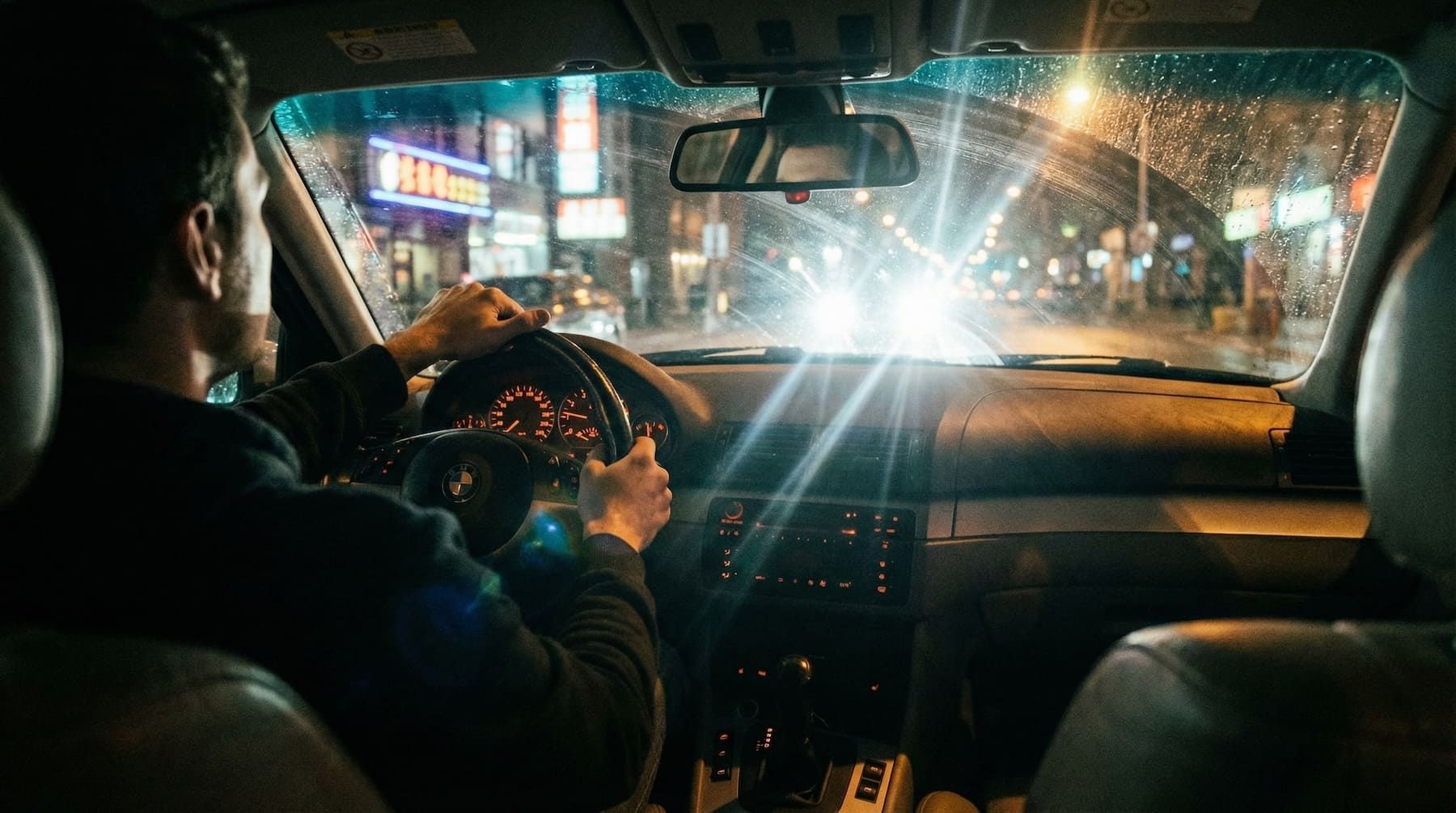
Table of Contents
- Why headlight glare has increased with LED and HID
- How glare affects vision, strain, and reaction time
- How window tint interacts with light at night
- Tint technology comparison for glare reduction
- Ceramic and nano ceramic film clarity advantages
- Florida tint laws and night driving safety
- Why professional consultation and installation matter
- FAQ: headlight glare, tint shades, legality, and safety
- Conclusion and next steps for Longwood drivers
Why headlight glare has increased with modern LED and HID headlights
Drivers in Longwood, Altamonte Springs, Lake Mary, and Orlando often describe the same experience: oncoming headlights feel harsher and more blinding than they did years ago. That change comes from several overlapping trends in vehicle lighting and road design.
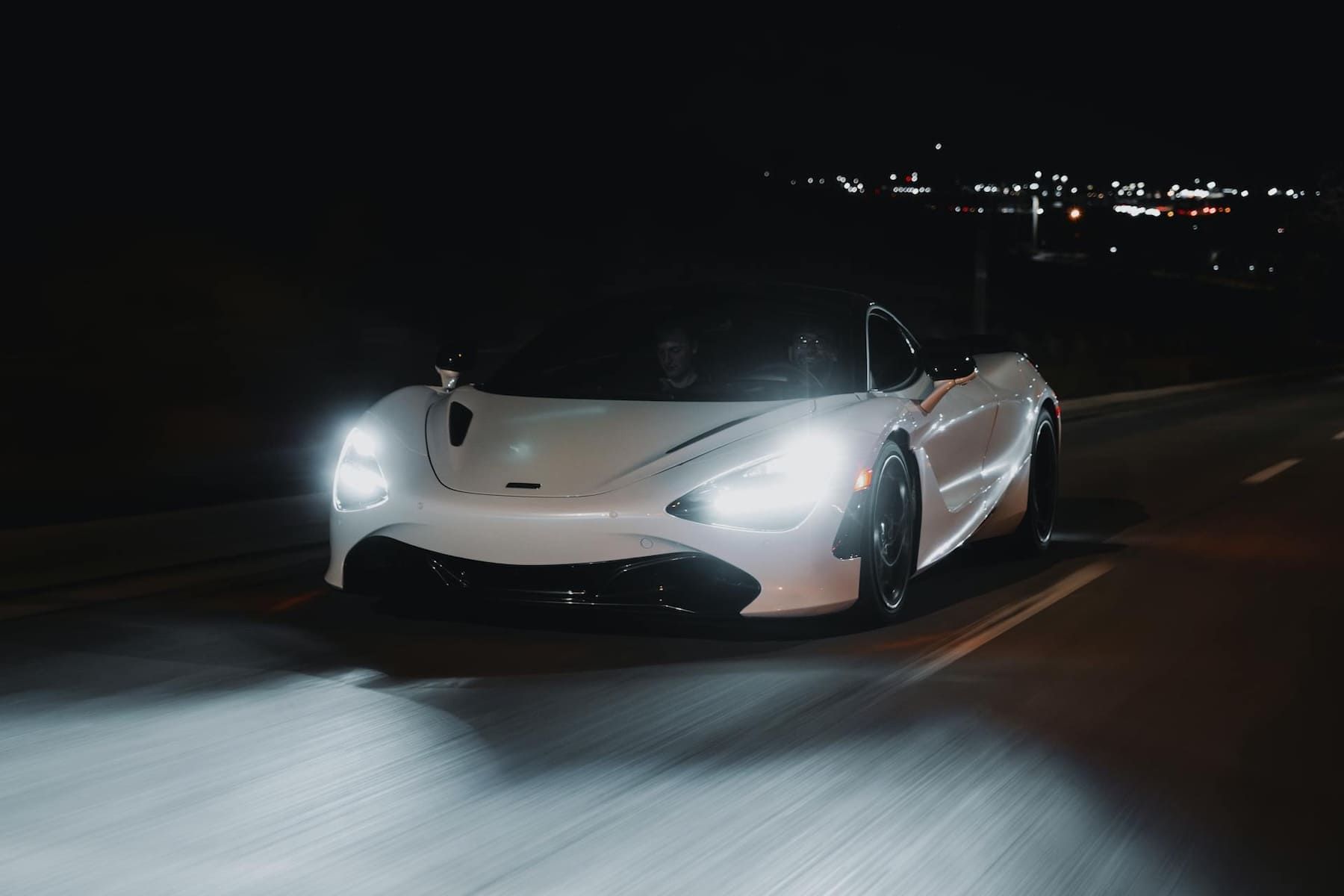
LED headlights produce more usable light with a different color profile. Many newer vehicles use LEDs because they are efficient, durable, and bright. Compared with older halogen bulbs, LEDs often emit light that looks whiter or slightly bluish. Human eyes tend to perceive cool color temperatures as more intense, especially at night, even if the measured brightness is similar. This perceived intensity contributes to discomfort glare.
HID systems can create intense hot spots. High intensity discharge headlights were a major step up in brightness and range. They can also produce concentrated beams with sharp cutoffs. When the beam pattern is not perfectly aimed, or when you crest a small hill or driveway, that concentrated light can hit your eyes at the worst angle.
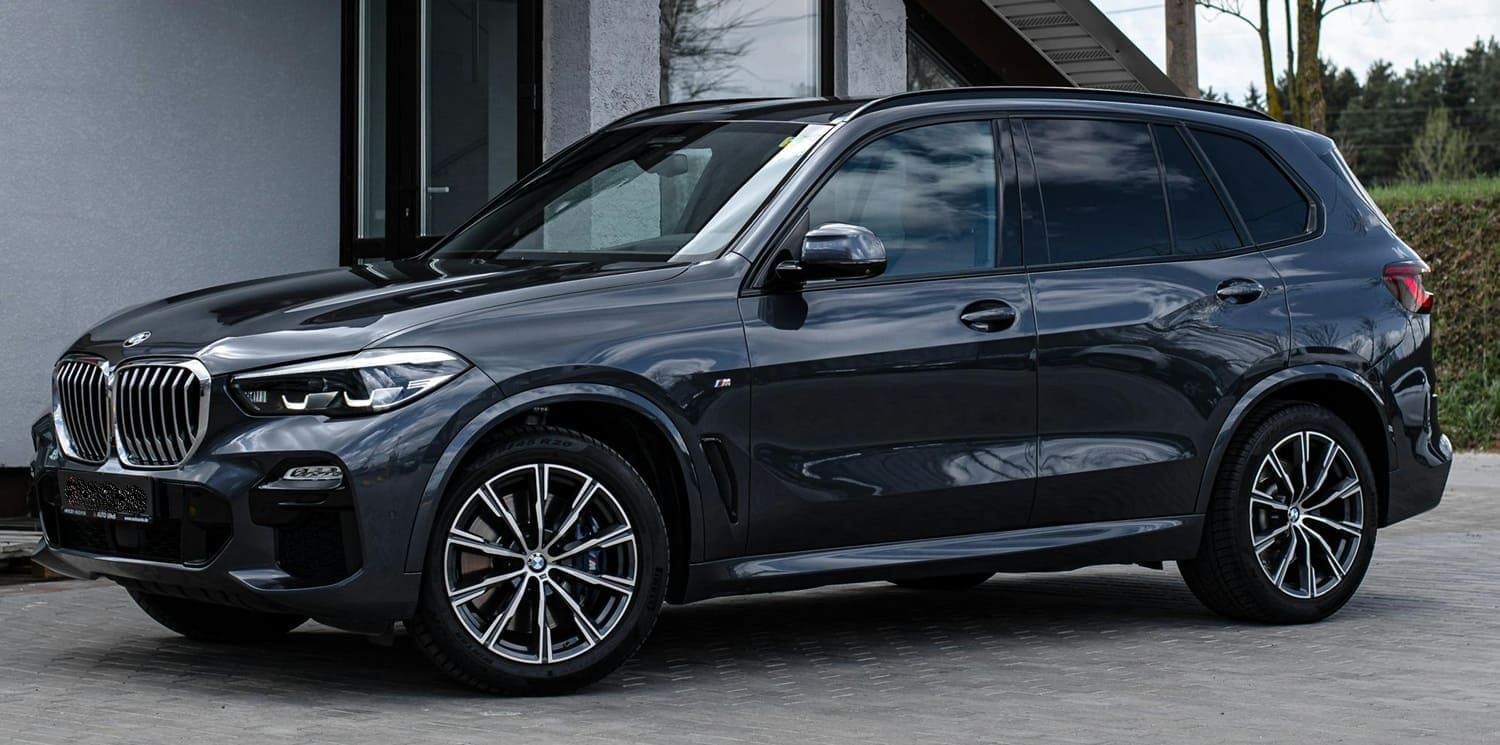
Headlight height and vehicle mix have changed. SUVs and trucks are more common. Their headlights sit higher than sedans. If you drive a smaller car, the beam from an oncoming truck can strike closer to your line of sight, increasing glare and making the road ahead feel washed out.
Misalignment and aftermarket upgrades are common. Even factory headlights can be mis-aimed after suspension changes, bumps, or collisions. Aftermarket LED conversion kits are also popular and can create more glare if the bulb and reflector or projector are mismatched. In real traffic, a small percentage of poorly aimed lights can dominate your nightly drive.
Florida conditions can amplify reflections. Humidity and frequent rain can add a reflective layer on the road surface. Fresh lane striping, wet asphalt, and reflective signs can scatter bright light and create a halo effect. If your windshield has micro pitting, wiper haze, or residue, the light can bloom even more.
How glare affects night driving vision, eye strain, and reaction time
Glare is not only annoying. It changes how your visual system performs. Understanding those effects helps explain why the right night driving window tint can be helpful when chosen responsibly.
Glare reduces contrast. At night, you rely on contrast to see pedestrians, cyclists, and road debris. When a bright light enters your eyes, it can wash out the darker tones around it. That makes it harder to detect a person in dark clothing near a crosswalk or a pothole on an unlit road.
Glare creates a recovery delay. After a burst of bright light, your eyes need time to adapt back to the darker environment. Even a short recovery window can matter at 45 to 65 mph. If you feel like you are temporarily "blind" after an oncoming car passes, that is the adaptation delay at work.
Eye strain and fatigue add up. Squinting, tension around the eyes, and constant refocusing increase fatigue. For drivers who commute at night on I 4, SR 434, or SR 436, glare can make the drive feel longer and more stressful, which can reduce alertness.
Glare can worsen with vision issues. If you have mild astigmatism, dry eye, or early cataracts, light can scatter more inside the eye. That scattering creates starbursts and halos. Tint is not a medical treatment, but reducing the amount of intense incoming light can help some drivers feel more comfortable.
Behavioral changes can increase risk. Some drivers slow down abruptly, drift away from the center line, or avoid checking mirrors because the light feels painful. Those coping behaviors can create new hazards. The goal is to reduce discomfort glare while keeping excellent visibility and safe scanning habits.
How window tint interacts with light and reduces glare without overly darkening vision
To understand whether tint can reduce headlight glare at night, it helps to separate a few different concepts: brightness, contrast, and scattering.
Visible Light Transmission (VLT) determines how much visible light passes through. A darker film has lower VLT, meaning it lets less visible light through. Reducing incoming light can reduce perceived glare intensity, but if you go too dark, you can also reduce your ability to see hazards in low light. That is why legal compliance and smart film selection are important.
High quality film can reduce discomfort glare by managing overall luminance. Many drivers notice the biggest improvement when glare feels less piercing and less fatiguing. A film that slightly lowers the peak brightness entering the cabin can make oncoming headlights more tolerable without turning the world into a dark tunnel.
Clarity matters as much as shade. Poor quality film can add haze, distortion, or internal reflections that actually make night driving worse.
Premium films are engineered for optical clarity to avoid additional scattering. This is one reason glare reduction window film should be chosen based on performance and clarity, not only darkness.
Interior reflections and shiny surfaces can increase glare. If you drive with bright dashboard lights, glossy interior trim, or a dirty windshield, you can create reflections that overlay your view. Tint can sometimes reduce reflections by lowering the light bouncing around inside the cabin. Pairing tint with a clean windshield and reasonable dashboard brightness is often the best combination.
Quick reference: VLT and night driving comfort
| Film VLT (approx.) | Typical driver perception | Night visibility impact | Common use case |
|---|---|---|---|
| 50% to 70% | Subtle glare softening | Minimal for most drivers | Front doors, windshield strip where legal |
| 35% to 40% | Noticeable glare reduction | Low to moderate | Balanced comfort and visibility |
| 20% to 30% | Strong dimming effect | Moderate, varies by driver | Rear doors and back glass where legal |
| 5% to 15% | Very dark, privacy focused | High risk at night | Not recommended for night glare goals |
For many Longwood FL window tint clients, the best strategy is not to choose the darkest possible film. It is to choose a film with strong heat rejection and high clarity, then select a legal VLT that preserves confidence at night.
Comparison of tint technologies and their effectiveness for glare reduction
Not all tint is built the same. Glare reduction and night visibility depend on materials, construction, and optical quality.
| Film technology | How it is made | Glare reduction potential | Night clarity risk | Notes |
|---|---|---|---|---|
| Dyed film | Dye absorbs visible light | Moderate via darkening | Can be moderate if lower quality | Budget option, less advanced performance |
| Metallized film | Metal particles reflect energy | Moderate | Possible reflectivity and signal issues | May increase interior reflections |
| Carbon film | Carbon layer for absorption | Moderate to strong | Usually good if premium | Stable color, improved performance |
| Ceramic film | Ceramic particles for IR rejection | Strong with lighter shades possible | Low when high quality | Excellent comfort without excessive darkness |
| Nano ceramic film | Engineered nano ceramic dispersion | Strong and consistent | Very low when premium | High clarity and strong performance |
For glare reduction at night, the key takeaway is this: a premium ceramic or nano ceramic film can help you reduce headlight glare at night while keeping VLT in a safer, more visible range.
How ceramic and nano ceramic films improve clarity while minimizing glare
Ceramic technology is often recommended for drivers who want comfort and glare control but do not want to sacrifice visibility. That includes many Florida drivers who face both
strong sun during the day and intense headlights at night.
High performance without extreme darkness. Ceramic films are known for rejecting infrared heat effectively. That means you can choose a lighter shade and still get meaningful comfort benefits. When it comes to headlight glare, a lighter, legal film that preserves visibility is often the safest approach.
Optical clarity is a major difference maker. Quality nano ceramic films are engineered to reduce haze and distortion. At night, that can matter more than most people realize. If a film introduces even slight cloudiness, every oncoming light can bloom. Premium film aims to keep edges, lane markings, and pedestrian outlines crisp.
Balanced glare reduction. Glare reduction is not about eliminating headlights. You still need to see other drivers. The goal is to reduce the intensity that causes discomfort and slows visual recovery. Many drivers describe it as headlights being "softer" and less fatiguing.
Why LLumar FormulaOne window tint is commonly chosen. Flying Window Tinters is a SelectPro LLumar dealer installing LLumar FormulaOne Window Tinting products. These premium films are engineered for performance and optical quality, which is exactly what you want when your priority is night time visibility plus glare control.
Infographic style summary: what improves glare comfort
- Right VLT for your driving habits (commute routes, rural roads, rain)
- High optical clarity to avoid haze and blooming
- Consistent installation to prevent distortion and edge issues
- Clean glass condition to reduce scattering from pitting and residue
Florida window tint laws and legal considerations for night driving safety
Florida tint rules are designed to balance driver comfort with safety and visibility. If your goal is to reduce headlight glare at night, staying legal is part of staying safe.
VLT rules vary by window location. Florida regulations set different limits for the front side windows, rear side windows, and rear glass depending on the vehicle type. The front windows are typically more restrictive. These rules exist because the driver needs clear visibility at night and law enforcement needs visibility into the vehicle for safety.
Windshield tint has strict limits. Many drivers ask about windshield tint because headlights enter through the windshield. Florida allows only specific types of tinting at the top portion of the windshield in many cases, often called a visor strip, and there are restrictions on how low it can extend. Full windshield tint is a separate discussion and must be handled carefully and legally.
Medical exemptions may apply. Some drivers may qualify for exemptions, but that is a formal process. For most people, the best solution is choosing premium film at legal VLT levels and focusing on optical clarity.
Night driving safety should guide shade selection. If you frequently drive on darker roads outside city centers or during heavy rain, choosing a shade that keeps visibility strong is critical. A professional shop can help you choose a film that improves comfort without creating new risks.
Note: Tint laws can change and can be interpreted differently in different situations. Flying Window Tinters can discuss current Florida requirements during your consultation so your night driving window tint plan stays compliant.
Why professional consultation and installation are critical for proper glare control
If your main goal is glare control, professional guidance is not optional. It is how you avoid unintended downsides and get the results you are aiming for.
It starts with your driving profile. A driver who commutes from Longwood to downtown Orlando at night needs a different recommendation than someone who mostly drives locally on well lit roads. Your windshield condition, eyesight comfort, and vehicle type matter too.
Film selection must balance multiple performance targets. You want glare reduction, but also privacy, UV protection, heat rejection, and great clarity. Premium product lines like LLumar FormulaOne window tint are designed to deliver that balance, especially when installed correctly.
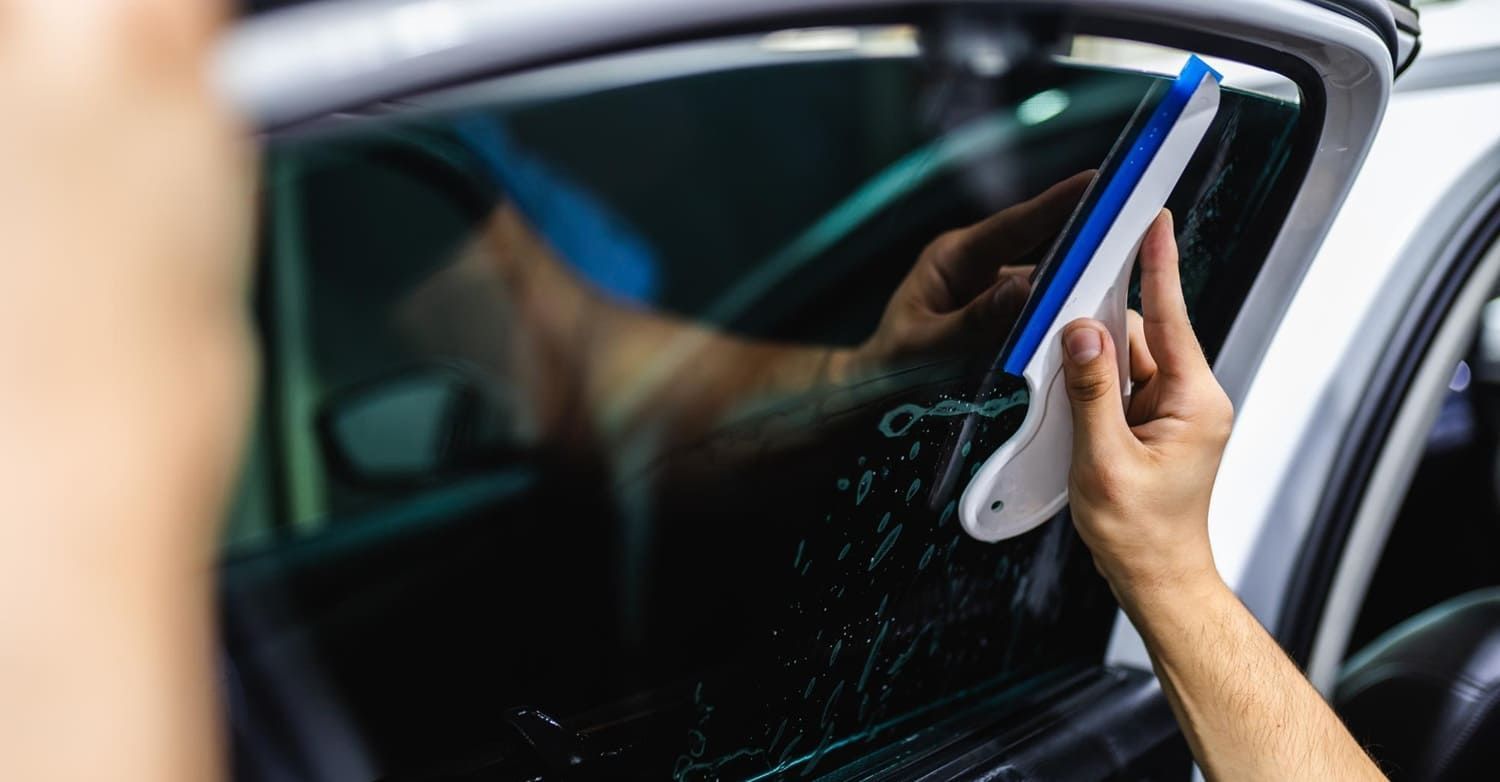
Installation quality affects night clarity. Dust, contamination, or improper shrinking techniques can create micro distortion that becomes very noticeable at night. A professional installation environment and proven process help protect optical quality.
Verification and aftercare help lock in results. A good shop explains curing times, cleaning guidance, and what is normal during the first days. That reduces the chance of issues that can interfere with night visibility.
Flying Window Tinters serves Longwood, FL and surrounding areas, and can walk you through shade and film options designed to reduce headlight glare at night while preserving excellent visibility.
FAQ: Does window tint reduce headlight glare at night?
Does tint make night driving too dark?
It can if you choose a very low VLT. Many drivers get glare relief with legal shades that still feel clear at night, especially with ceramic technology.
What is the best tint shade for glare reduction at night?
For many drivers, a moderate VLT paired with high clarity film provides the best balance. Your ideal shade depends on your routes and comfort level.
Does ceramic tint help more than dyed tint for glare?
Ceramic films can deliver strong comfort and clarity without relying only on darkness. That often makes them a better fit for night driving window tint goals.
Can window tint reduce glare from LED headlights?
Yes, by lowering peak brightness entering the cabin and improving comfort. It will not eliminate headlights, and it should not compromise your ability to see.
Is windshield tint legal in Florida?
Florida generally restricts windshield tinting, often allowing only a limited strip at the top. Ask Flying Window Tinters about current, compliant options.
Will tint affect my ability to see pedestrians at night?
Shade selection matters. Choosing a legal VLT and a premium film designed for clarity helps preserve night visibility.
Does tint reduce glare in mirrors too?
Tint can reduce overall brightness entering the cabin, which may make mirror glare feel less harsh. Mirror adjustment and anti glare mirrors also help.
Will tint interfere with headlights or make my own headlights dimmer?
No. Tint affects light entering through your windows, not the output of your headlights. Visibility depends on shade, film clarity, and windshield condition.
What is LLumar FormulaOne window tint?
It is a premium window film product line installed by select dealers. Flying Window Tinters is a SelectPro LLumar dealer installing LLumar FormulaOne Window Tinting products.
How do I know what film is right for me?
A professional consultation is the best path. You can review options, VLT, and performance goals with a local expert in Longwood, FL.
Conclusion: safer, more comfortable night driving in Longwood
So, does window tint reduce headlight glare at night? For many Florida drivers, the answer is yes, when the film is chosen carefully and installed professionally. Glare has increased as LED and HID headlights became common, and that glare can reduce contrast, increase eye strain, and slow visual recovery. The right glare reduction window film can soften harsh headlight intensity while preserving the clear, confident visibility you need at night.
If you want relief without sacrificing safety, start with a professional evaluation and a premium film designed for optical clarity.
Flying Window Tinters in
Longwood, FL is a SelectPro LLumar dealer installing LLumar FormulaOne window tint products engineered to reduce glare while preserving excellent night time visibility.
Contact Flying Window Tinters today to discuss night driving window tint options, confirm Florida legal compliance, and get a
free estimate for a solution tailored to your vehicle and your nightly routes.
Can Window Tint Interfere With ADAS Cameras and Sensors? What Longwood & Orlando Drivers Should Know