Can Window Tint Interfere With ADAS Cameras and Sensors? What Longwood & Orlando Drivers Should Know
Modern vehicles are packed with advanced driver assistance systems (ADAS) — lane-keep assist, adaptive cruise control, automatic emergency braking, rain-sensing wipers, and forward-collision warning, just to name a few. Many of these systems rely on cameras and sensors mounted near the windshield and rear glass. So it's a fair and increasingly common question for drivers throughout Longwood, Orlando, and Seminole County: can window tint actually interfere with these systems?
The short answer is that it can — but only in specific circumstances, and almost always tied to how and where the film is installed rather than window tint being inherently incompatible with ADAS technology. At Flying Window Tinters, we've been installing film professionally in Central Florida since 1981, and understanding exactly where these systems live on modern vehicles is now a standard part of doing the job correctly. Here's what drivers need to know before tinting a vehicle equipped with ADAS features.
What Is ADAS, and Where Do the Sensors Actually Live?
ADAS refers to the collection of camera- and sensor-based safety systems built into most vehicles manufactured in the last several years. Depending on the make and model, this can include:
- Forward-facing cameras for lane departure warning and lane-keep assist
- Radar or camera-based adaptive cruise control
- Automatic emergency braking systems
- Rain-sensing wipers
- Traffic sign recognition
- Some rear-facing cameras and sensors used for parking assistance and blind-spot monitoring
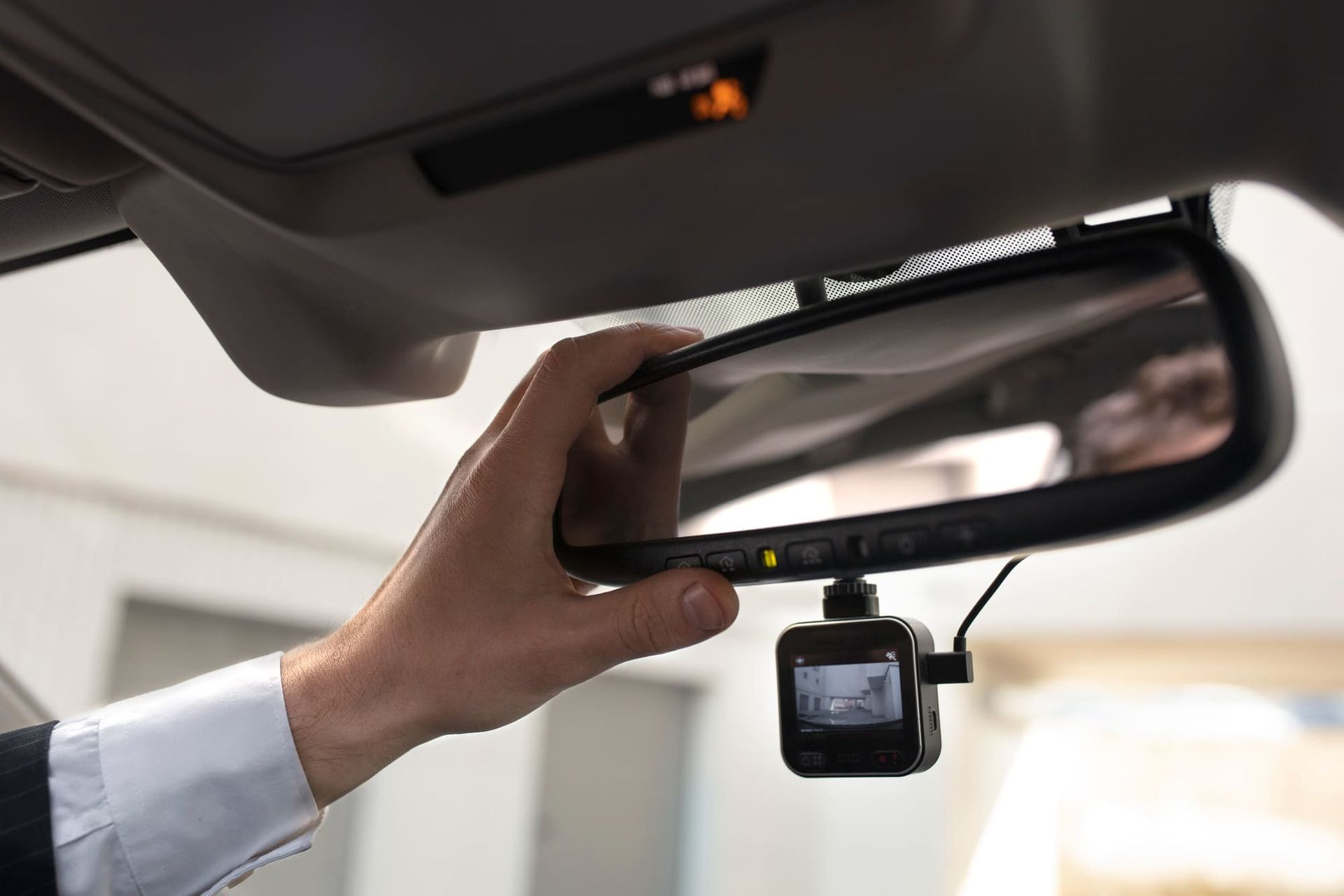
Most forward-facing ADAS cameras are mounted at the top of the windshield, typically near the rearview mirror — often within or very close to the same general area as the AS-1 line where a sun strip would normally be applied. Rear-facing sensors, when present, are usually integrated into the rear window, bumper, or trunk area rather than the glass itself in most cases.
Can Tint Actually Interfere With These Systems?
Yes, in certain situations — but it's less about tint categorically blocking these systems and more about precision during installation and choosing appropriate film for sensor-equipped areas.
1. Film Placed Directly Over a Camera's Field of View
This is the most common cause of ADAS interference. If tint film is applied in a way that covers or overlaps the exact area where a forward-facing camera "looks" through the windshield, it can distort the camera's image, reduce light transmission through that specific zone, or create reflections that confuse the system's calibration. This is far more likely to happen with an inexperienced installer who isn't accounting for the camera's precise location.
2. Metallic or Reflective Film Types
Older-style metallized window films, which contain metal particles for heat rejection, can in some cases interfere with signal-based systems, similar to how they were historically known to interfere with phone signal, GPS, or toll transponders. While automotive ADAS cameras are optical rather than radio-signal-based, metallic film's added reflectivity can still create glare or visual distortion in the camera's specific field of view if applied incorrectly in that zone.
3. Very Dark Film Over Sensor Areas
Extremely dark film placed directly over a rear camera-adjacent area, or applied without accounting for a sensor's specific light requirements, can occasionally reduce the amount of light reaching a sensor enough to affect its performance, particularly in low-light conditions.
4. Improper Installation Around Sensor Housings
Sensors and cameras are sometimes mounted with specific housings or clear "windows" built into the glass or trim specifically for that purpose. Film installed without care around these housings — bubbling, lifting, or overlapping the sensor's clear zone — can create the same kind of distortion as covering the camera directly.
How Professional Installers Avoid ADAS Interference
The good news is that ADAS interference from window tint is almost entirely preventable with correct installation technique. Here's how an experienced shop like Flying Window Tinters approaches vehicles equipped with these systems.
1. Identifying Camera and Sensor Locations Before Installation
Before any film is applied, a knowledgeable installer identifies exactly where a vehicle's ADAS cameras and sensors are located — typically the forward camera housing near the rearview mirror on the windshield, and any rear-facing equivalents.
2. Working Around, Not Over, Sensor Zones
Rather than applying film uniformly across the entire glass surface without regard for sensor placement, a careful installer works around these zones specifically, keeping the camera's direct field of view clear of film overlap.
3. Choosing Appropriate Film Types
Non-metallic, optically clear film technology has become the standard in the industry precisely because it minimizes the risk of interference with both electronic connectivity and optical sensor systems, compared to older metallized film types.
4. Precision Installation Over Speed
This is where installer experience matters most. A rushed installation — the kind associated with bargain-bin "$99 tint jobs" — is far more likely to result in film that's imprecisely trimmed or positioned near sensitive sensor areas. Meticulous, unhurried installation reduces this risk significantly, which is exactly why quality-focused shops prioritize doing the job right over doing it fast.

Which Vehicles Are Most Likely to Have ADAS Cameras Near Tinted Glass?
ADAS technology has become increasingly common across nearly all vehicle segments, but it's especially prevalent in:
- Vehicles manufactured within the last 5–7 years, particularly higher trim levels
- Vehicles equipped with adaptive cruise control or lane-keep assist
- Vehicles with automatic emergency braking as standard or optional equipment
- Newer SUVs, crossovers, and sedans across most major manufacturers
If you're unsure whether your vehicle has ADAS features that could be relevant to tint placement, your owner's manual will typically specify camera and sensor locations, or your installer can help identify them during a consultation.
What to Do If You Suspect Tint Is Affecting Your ADAS Systems
If you've noticed a lane-keep assist warning, inaccurate automatic braking behavior, or unusual rain-sensor wiper activity after a tint installation, it's worth having the film inspected by a professional rather than assuming the vehicle itself is malfunctioning. In most cases, the fix involves either trimming film back slightly from the sensor's field of view or, in rare cases, replacing film that was applied too close to or directly over a camera housing.
This is also a good reason to avoid discount or inexperienced installers for vehicles equipped with ADAS technology — a shop unfamiliar with modern sensor placement is far more likely to create this kind of issue than one that routinely works with newer vehicles.
Frequently Asked Questions
Can window tint interfere with lane-keep assist or automatic braking?
It can, but typically only if film is installed directly over or too close to the forward-facing camera's field of view near the rearview mirror. Precision installation that works around this zone generally avoids any interference.
Does dark tint affect ADAS cameras more than lighter tint?
Very dark film placed directly over a sensor's field of view is more likely to reduce the light reaching that camera, particularly in low-light conditions. However, darkness alone isn't usually the deciding factor — placement and installation precision matter more.
Should I tell my tint installer that my car has ADAS features?
Yes. While experienced installers routinely check for these systems, letting your installer know your vehicle has forward-facing cameras, adaptive cruise control, or similar features helps ensure extra care is taken around those specific areas.
Can metallic window film cause more ADAS problems than non-metallic film?
Metallic or reflective film can potentially create more glare or distortion issues in a camera's direct field of view compared to modern non-metallic film, which is one reason non-metallic film has become the industry standard for both aesthetics and system compatibility.
Will a professional tint shop know where my ADAS sensors are located?
An experienced, quality-focused installer should be familiar with common ADAS camera locations across various vehicle makes and models and will account for them during installation to avoid interference.
Can tint be removed or adjusted if it's causing an ADAS warning?
Yes. In most cases, this issue is resolved by trimming film back from the sensor's field of view, and in rarer cases, by reapplying film with proper clearance around the affected area.
Get Precision Tinting That Respects Your Vehicle's Technology
Modern vehicles deserve modern installation standards — and that means accounting for ADAS cameras and sensors as a standard part of the tinting process, not an afterthought. Flying Window Tinters has been Orlando's premier window tinting specialist since 1981, serving Longwood, Orlando, Lake Mary, Winter Park, Oviedo, and the surrounding Seminole County area with meticulous, detail-focused installation — the kind of precision that keeps your vehicle's safety systems working exactly as they should.
Call
(407) 695-8468 or request a
free estimate online, and let our experienced team show you why we're known for fixing the $99 tint jobs, not creating them.