What Window Tint Is Legal in Florida? 2026 Guide
Florida window tint laws are one of the most searched automotive topics in the state because Florida drivers live with intense sun, year round heat, and crowded roads where comfort and visibility both matter. It is normal to want darker glass for glare reduction, privacy, and cooler cabin temperatures, but improper tint installation can quickly turn into a roadside headache. If your film is too dark, placed in the wrong area, or applied to a prohibited window, you could face a citation, fines, and a required removal that costs more than doing it right the first time. That is why understanding
visible light transmission (VLT) percentages and placement rules is essential before choosing a shade. This guide breaks down
What
window tint is legal in Florida in plain language for 2026, with examples and practical tips for Longwood, FL drivers and the surrounding Central Florida area.
Table of Contents
- 1. Florida VLT requirements for sedans vs SUVs and vans
- 2. Windshield tint rules and the AS-1 line visor strip
- 3. Rear window and back glass tint regulations
- 4. Florida medical exemptions and required documentation
- 5. Penalties and enforcement for illegal window tint
- 6. Dyed vs carbon vs ceramic tint technologies
- 7. Getting heat rejection while staying compliant
- FAQ: Florida tint laws 2026 questions
- Conclusion and next steps for Longwood drivers
1. Florida VLT requirements for sedans vs SUVs and vans
The core concept behind legal tint percentage Florida rules is visible light transmission, usually written as VLT. VLT is the percentage of visible light that passes through the glass and the window film together. Higher VLT numbers mean lighter tint. Lower VLT numbers mean darker tint.
Florida sets different limits depending on whether the vehicle is a sedan or a multipurpose vehicle like an SUV or van. Many drivers in Longwood, FL get tripped up here because two vehicles parked side by side can have different legal limits even when they look similar. Before you choose film, confirm your vehicle type on the registration and then build your tint plan from there.
Quick reference chart: common Florida tint limits by vehicle type
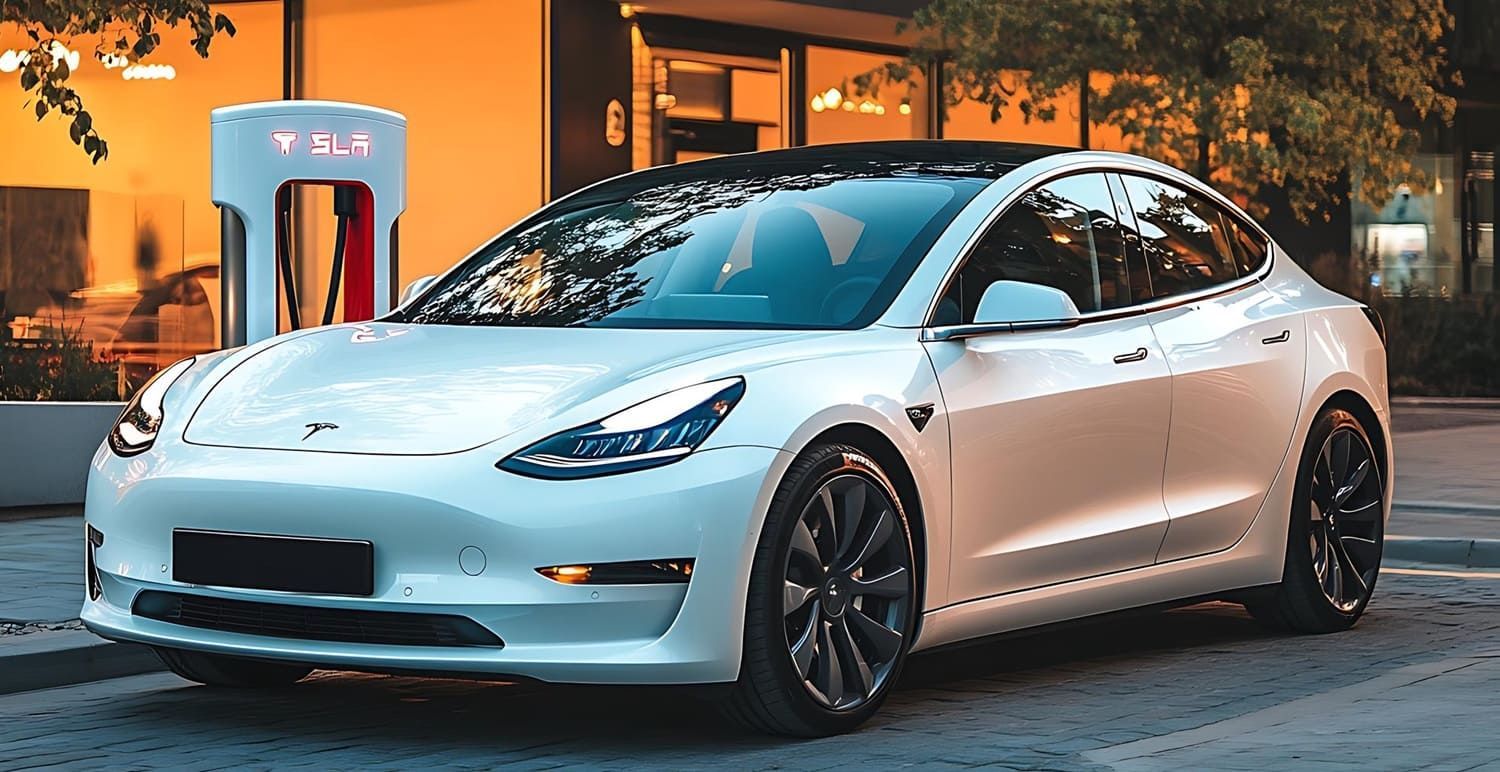
- Sedans: Front side windows typically must allow more light than rear side windows and the rear window.
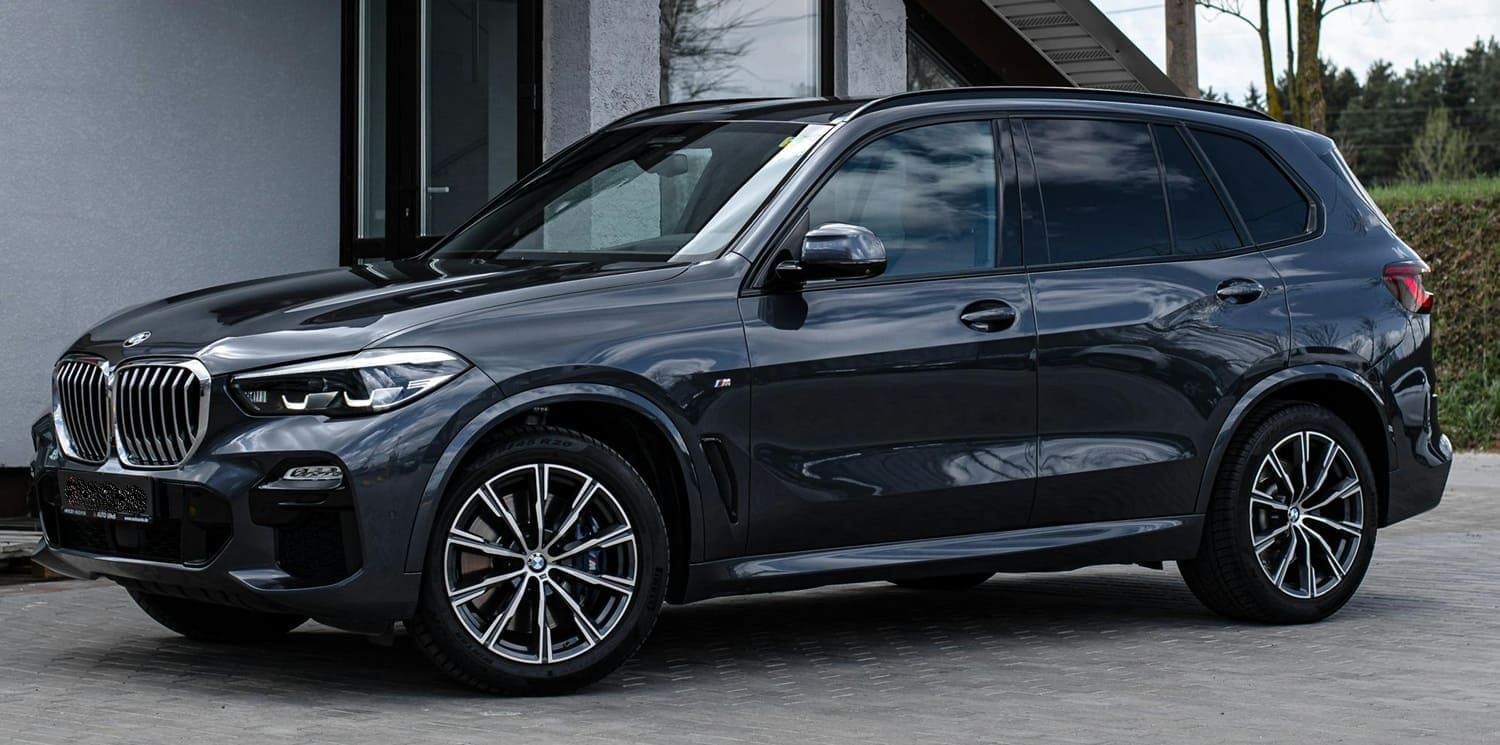
- SUVs and vans: Front side windows typically follow the same light requirement as sedans, while rear side windows and rear glass can generally be darker.
Simple “legal VLT map” (conceptual)
- Front driver and passenger windows: the strictest VLT rule in most cases.
- Rear side windows: often more flexible, especially on SUVs and vans.
- Back glass (rear window): often more flexible, but defroster lines and visibility still matter.
Because tint laws and enforcement can hinge on the measured VLT, the best strategy is to choose a film that provides a safety margin. For example, if the legal minimum is 28 percent VLT on a given window, you generally do not want a film that tests right at the edge once installed on factory glass. Factory glass already blocks some light, and meters can vary slightly. A professional shop will help you choose a film and combination that is compliant in real world measurement, not just on the box.
For Central Florida drivers, this is where premium films can make a big difference. A high performance film can deliver meaningful heat rejection and UV protection without forcing you into overly dark shades. This is one reason many drivers ask for LLumar FormulaOne window tint Florida installs when they want comfort while still focusing on compliance.
2. Windshield tint rules and the AS-1 line visor strip
The windshield is the most regulated piece of glass on your vehicle because it directly affects forward visibility, night driving, and safety systems. Florida rules generally limit how much tint can be applied to the windshield, and where it can be placed. If you are researching Florida tint laws 2026 , most questions start here, especially because so many drivers want relief from glare on I-4, SR 434, and the daily commute between Longwood, Altamonte Springs, Lake Mary, and Orlando.
The AS-1 line rule is the most common legal pathway for windshield tint. Many vehicles have an AS-1 marking on the windshield that indicates a line near the top portion of the glass. In general, a visor strip tint is allowed above that AS-1 line. If there is no AS-1 mark, the allowance is typically described as the top portion of the windshield (often a limited number of inches), but drivers should rely on the actual Florida statute language and what is printed on the glass, not assumptions.
Why the AS-1 line matters for compliance
- It provides an objective placement boundary you can point to if questioned.
- It avoids tinting the primary field of view used for lane lines, traffic lights, pedestrians, and rain visibility.
- It helps reduce the risk of a “too low” strip that can trigger a stop.
What about full windshield tint or tint below the AS-1 line? This is where drivers must be especially careful. Many products marketed online as “clear” heat rejecting films still count as tint if they reduce visible light transmission or alter the glass. Even if the film looks nearly transparent, legality depends on Florida’s rules and how enforcement interprets them. If you want maximum comfort with minimal visible darkening, ask a professional installer to explain which windshield options can be done legally for your vehicle and your driving needs.
Flying Window Tinters can help Longwood drivers plan a compliant approach that prioritizes visibility, comfort, and safety. If you want the heat rejection
benefits people associate with high end film, ask about
LLumar FormulaOne Auto Window Tint options that focus on performance while helping you remain fully compliant with Florida regulations.
3. Rear window and back glass tint regulations
Rear windows are where many Florida drivers want privacy and heat relief, especially for family vehicles and SUVs used for sports gear, work tools, or travel. Florida generally allows darker tint on the rear side windows and back glass for SUVs and vans than it does for sedans, but there are still important considerations.
Key compliance points for rear glass
- Vehicle type matters: sedans and SUVs can have different allowable VLT levels on rear windows.
- Factory glass counts: the legal reading is the combined VLT of glass plus film.
- Defroster lines: rear window tint must be installed correctly to avoid damaging defroster elements and to keep clear sight lines.
- Visibility expectations: even when darker tint is allowed, safe night visibility is still important, especially in heavy rain common in Central Florida.
Example compliant tint combinations (illustrative)
- Daily commuter sedan: Choose a compliant front window VLT, then match rear windows with a slightly darker but still legal shade for a balanced look.
- Family SUV: Keep front side windows within Florida limits, then go darker on rear side windows and back glass within the SUV rules for privacy and cargo protection.
- Work van: Front side windows compliant, rear privacy oriented, with a focus on glare reduction and heat rejection during long routes.
Shade darkness comparison (how it looks in practice)
- 50 percent VLT: light, subtle, often chosen for a clean OEM look.
- 35 percent VLT: medium, popular for appearance and glare reduction while keeping good night visibility.
- 30 percent VLT: slightly darker than 35, may be close to legal limits on some windows depending on vehicle and glass.
- 20 percent VLT: dark, privacy focused, often not legal on front windows in many cases, but may be used on rear windows for some vehicle types where permitted.
- 5 percent VLT: very dark “limo” style, typically not compliant on many passenger windows and can attract enforcement attention.
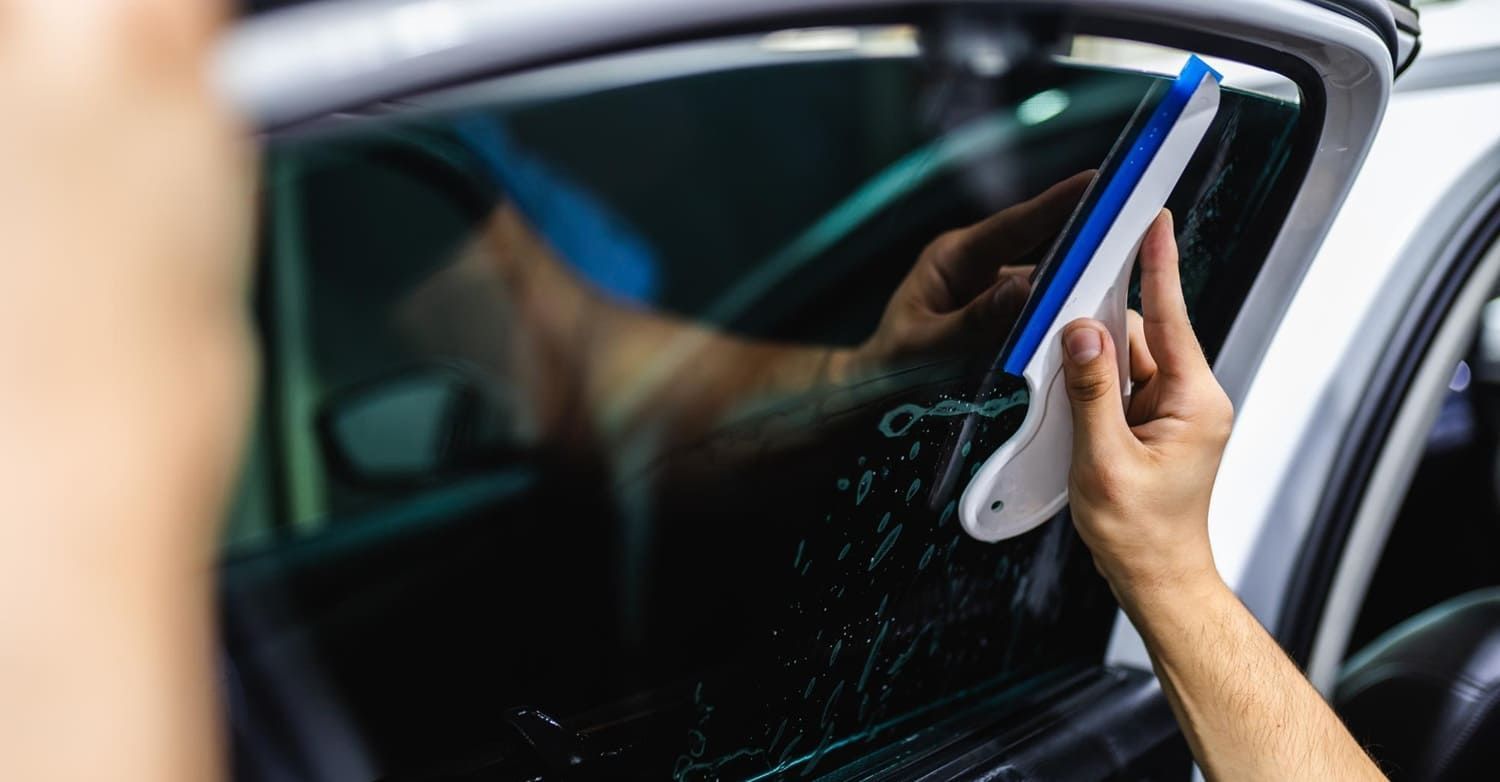
If your goal is to reduce heat without pushing darkness, your best friend is performance, not shade. A modern ceramic film can feel dramatically cooler than a darker dyed film, and that difference is one reason Central Florida drivers ask specifically for premium film lines. When installed professionally, you can often get the comfort you want while staying within Florida’s requirements.
4. Florida medical exemptions and required documentation
Florida provides a pathway for certain drivers to request a medical exemption to allow darker tint than would otherwise be legal. This can be important for drivers with medical conditions where sun exposure presents a health risk. Because tint exemptions involve paperwork and may require carrying documentation in the vehicle, it is critical to handle this properly before installing film.
Common reasons drivers seek an exemption
- Medical conditions involving sun sensitivity
- Skin related conditions where UV exposure must be minimized
- Situations where a physician recommends limiting sunlight
Documentation basics (high level)
- You typically need a completed medical form or certificate associated with Florida’s exemption process.
- Some situations require a signed statement by a medical professional.
- You may need to keep proof of exemption in the vehicle to show during a traffic stop.
Because requirements can change and forms can be updated, treat this guide as educational and confirm the current requirements with Florida’s official sources before relying on an exemption. A professional installer can also help you plan your tint around what is actually approved. If you are a Longwood driver considering an exemption, it is usually best to secure the documentation first, then choose the film and VLT level that matches your approved allowance.
5. Penalties and enforcement for illegal window tint
Drivers searching “ What window tint is legal in Florida ” are often motivated by one thing: avoiding tickets, fines, and the frustration of being told to remove tint they just paid for. While enforcement patterns vary by area, illegal tint is a common reason for a stop because officers can often visually notice very dark front windows or a windshield film that extends too low.
What can happen if your tint is not compliant
- Traffic stop and citation: You may receive a citation if the tint is measured and found below the legal VLT limit.
- Fix it requirement: In some cases you may be expected to remove or replace the film and show proof of correction.
- Added hassle: Time off work, removal costs, and the inconvenience of re-tinting.
- Increased scrutiny: Extremely dark tint can draw attention, even if you are driving safely.
How tint is typically evaluated
- Visual cues: Windshield tint below the allowed line, very dark front windows, and reflections can raise suspicion.
- Tint meter readings: If measured, the device reads the combined VLT of the glass and film.
- Paperwork checks: If you claim an exemption, officers may ask for documentation.
For Central Florida, where many drivers commute across multiple jurisdictions, a conservative, compliance first approach is usually the smartest long term decision. It reduces the chance of interruption during daily driving and helps ensure your tint provides benefits without becoming a recurring issue.
6. Dyed vs carbon vs ceramic tint technologies
Not all window tint is the same. Many drivers assume darker film automatically means better heat rejection. In reality, film technology determines how much heat, infrared energy, and UV radiation is blocked. Understanding the differences is important if you want to stay legal while still achieving a cooler, more comfortable cabin in Florida’s climate.
Dyed window tint
- How it works: Uses dye to darken the film and reduce visible light.
- Pros: Often lower cost, improves appearance, reduces glare.
- Considerations: Heat rejection can be limited compared to advanced films, and some dyed films can fade or shift color over time in intense sun.
Carbon window tint
- How it works: Uses carbon particles to enhance heat absorption and reduce infrared penetration.
- Pros: Better heat control than basic dyed films, often more color stable.
- Considerations: Performance varies by brand and product line, and not all carbon films are equal.
Ceramic window tint
- How it works: Uses ceramic technology to target heat and infrared energy while maintaining clarity.
- Pros: Strong heat rejection, excellent UV protection, and high optical clarity, which is especially valuable for night driving and rainy season visibility in Central Florida.
- Considerations: Typically a premium option, but often the best choice when you want comfort without pushing into very dark shades.
This is where a premium product lineup matters. Flying Window Tinters installs
LLumar FormulaOne Auto Window Tint products engineered for superior heat rejection, UV protection, and optical clarity. When you pair high performance
ceramic film with legal VLT choices, you can often get the benefits that people try to chase with darker, non-compliant tint.
7. Getting heat rejection while staying compliant
In Florida, the best compliant tint strategy is usually built around two goals: (1) meet the legal VLT requirement for each window and vehicle type, and (2) maximize comfort using film performance rather than extreme darkness. This approach is especially helpful for drivers looking for Longwood FL window tint that feels noticeably cooler during summer, reduces glare, and maintains a clean, professional appearance.
Why high performance ceramic tint is ideal for Florida drivers
- Heat rejection with lighter shades: Ceramic films can reject significant heat and infrared energy even when VLT is within legal limits.
- UV protection: Helps protect skin and eyes, plus reduces interior fading and cracking.
- Clarity: High optical clarity supports safer driving at night and in heavy rain.
- Comfort: A cooler cabin can reduce A/C workload and improve driving comfort on long Central Florida trips.
Compliant planning checklist
- Confirm your vehicle type (sedan vs SUV or van) and plan windows accordingly.
- Choose a legal front window VLT first, then build the rest of the vehicle around that baseline.
- Decide whether you want a legal windshield visor strip above the AS-1 line.
- Pick a premium film line for performance so you do not feel forced into overly dark shades.
- Ask for a professional install and documentation so you understand what was applied.
Example approach for Central Florida comfort without risky darkness
- Front side windows: Choose a compliant VLT that still looks good and reduces glare.
- Rear windows: If your vehicle type allows darker rear windows, choose a shade that balances privacy and night visibility.
- Film technology: Prioritize ceramic performance so the vehicle feels cooler, even if the film is not extremely dark.
For drivers comparing options, this is where asking about LLumar FormulaOne window tint Florida can be strategically smart. It is designed to deliver strong heat rejection and UV protection with excellent clarity. When installed correctly, it supports your goal of staying compliant while still getting the comfort benefits that matter most in Florida.
Important note: This article is educational and not legal advice. Laws and enforcement practices can change. Always confirm your specific requirements and exemption status with official Florida sources and consult a professional installer for measured, vehicle-specific recommendations.
FAQ: Florida tint laws 2026 questions
How is window tint measured in Florida?
Tint is typically measured with a tint meter that reads the combined VLT of the factory glass and the installed film. The final number is what matters, not the advertised VLT of the film by itself.
What window tint is legal in Florida for front windows?
Florida restricts how dark the front driver and passenger windows can be, and this is usually the strictest requirement on the vehicle. The legal limit depends on the statute and vehicle type, so choose a VLT with a safety margin and confirm your configuration with a professional.
Are darker rear windows allowed in Florida?
Often yes, especially for SUVs and vans where rear side windows and back glass may be permitted to be darker than a sedan’s rear windows. The exact legal VLT depends on your vehicle type and the specific window position.
Is windshield tint legal below the AS-1 line in Florida?
Windshield tint is heavily restricted. A visor strip above the AS-1 line is commonly allowed, but tint below that line can create compliance problems and may be prohibited. If you want heat rejection on the windshield, confirm what is permitted for your specific vehicle and situation before installing anything.
Does clear or “almost clear” film still count as tint?
It can. Even if a film looks clear, it may still reduce VLT or change the glass in a way that is regulated. Legality is based on what is installed and how it measures, not how dark it appears.
Can I rely on online tint charts for Florida tint laws 2026?
Online charts are helpful for learning, but they can be outdated, simplified, or missing details. Always confirm with current Florida sources and your installer, especially if you are close to a legal limit.
Do tint laws affect vehicle inspections or registration in Florida?
Florida does not operate the same inspection model as some other states, but illegal tint can still lead to enforcement actions during traffic stops. If you travel out of state, other jurisdictions may enforce different rules.
What is the best legal tint percentage Florida drivers choose?
Many drivers choose a compliant front window VLT that provides glare control and a clean look, then adjust the rear windows based on vehicle type and privacy goals. The best choice depends on your driving patterns, night visibility needs, and comfort goals.
Will ceramic tint keep my car cooler even if it is not very dark?
Yes, high performance ceramic tint can provide strong heat rejection while staying compliant because performance comes from the film technology, not only from darkness. This is a key reason Florida drivers choose premium options.
Where can I get compliant Longwood FL window tint installed?
If you are in Longwood, FL or nearby Central Florida communities, contact Flying Window Tinters . They install LLumar FormulaOne Auto Window Tint products designed for superior heat rejection, UV protection, and optical clarity, with guidance focused on helping drivers remain fully compliant with Florida regulations.
Conclusion and next steps for Longwood drivers
Florida window tint laws can feel confusing because they combine vehicle type rules, window position limits, windshield placement restrictions, and real world meter readings. The best path in 2026 is to focus on VLT compliance first, then use high performance film technology to achieve comfort,
privacy, and heat control without risky darkness. If you remember one thing from this guide, remember that legality is measured on the vehicle, not on the tint box, and that windshield rules are the easiest place to make an expensive mistake.
If you are researching
What window tint is legal in Florida and want a setup that balances comfort, performance, and compliance,
reach out to
Flying Window Tinters for a
free estimate. Serving
Longwood, FL and surrounding Central Florida areas,
Flying Window Tinters installs
LLumar FormulaOne Auto Window Tint engineered for superior heat rejection, UV protection, and optical clarity while helping you stay fully aligned with Florida tint laws 2026.