Best Window Tint Choices for Electric and Hybrid Vehicles
Longwood, FL, is known for its abundant sunshine and sweltering summers, making heat management a crucial concern for every driver. For owners of electric and hybrid vehicles, premium
window tint is more than an aesthetic upgrade—it’s a vital investment in comfort, battery efficiency, and the long-term protection of highly sensitive electronics and interior components. Unlike traditional gas-powered cars, EVs and hybrids often feature larger digital dashboards, advanced sensors, and battery systems that can be negatively affected by excessive heat. The right window film not only keeps cabins cooler but also conserves energy by reducing the reliance on air conditioning, protecting your investment and enhancing your driving range. With Florida’s UV index among the highest in the country, selecting the best EV window tint in
Longwood, FL is key to safeguarding your vehicle’s performance and interior, ensuring both comfort and efficiency on every drive.
Table of Contents
- How Electric and Hybrid Vehicles Manage Heat Differently
- Best Window Tint Technologies for EVs and Hybrids
- Impact of High Performance Tint on Battery Range and Energy Consumption
- Recommended Tint Shades and VLT Levels for Florida EV Owners
- Protecting Digital Displays, Sensors, and Interiors
- Avoiding Signal Interference with EV Safe Tint Films
- Selecting a Professional Electric and Hybrid Vehicle Tint Installer
- FAQ: Window Tinting for Electric and Hybrid Vehicles
- Conclusion: Your Next Steps for Premium EV Tint
1. How Electric and Hybrid Vehicles Manage Heat Differently
Electric and hybrid vehicles are engineered for efficiency and advanced performance, but their unique designs also require special attention to heat management. Unlike gas-powered vehicles, which channel engine heat as part of their systems, EVs and hybrids rely more heavily on battery and electronics cooling strategies. With fewer moving parts and a larger percentage of plastic, vegan leather, and sensitive digital surfaces, these vehicles heat up quickly under the Florida sun. Excessive cabin heat isn’t just uncomfortable—it can degrade battery life, cause touchscreens to function improperly, and diminish the lifespan of interior materials. Because air conditioning systems draw directly on the battery, overworking them reduces driving range and overall efficiency. This is why effective heat rejection and UV blocking window tint are critical for every EV and hybrid owner in Longwood, FL.
2. Best Window Tint Technologies for EVs and Hybrids
Not all window films are created equal, especially for modern electric and hybrid vehicles. Top options now include:
- Ceramic Window Tint: Offers superior heat rejection and blocks more UV and infrared rays without metallic content, ensuring crystal-clear signals and visibility.
- Nano Ceramic Films: Enhance performance with microscopic ceramic particles, maximizing heat rejection while remaining nearly invisible on glass.
- Infrared Rejecting Films: Specifically engineered to block the most infrared radiation, these films keep your EV or hybrid significantly cooler inside.
| Tint Type | Heat Rejection | Glare Reduction | Durability | Signal Safe |
|---|---|---|---|---|
| Ceramic | Excellent | High | Very High | Yes |
| Nano Ceramic | Superior | High | Very High | Yes |
| Infrared Blocking | Best | Very High | High | Yes |
| Dyed | Low | Medium | Medium | Yes |
| Metalized | High | High | High | No |
For Florida drivers, ceramic and nano-ceramic tints are the clear standouts, thanks to their balance of performance, visual clarity, and technology protection.
3. Impact of High Performance Tint on Battery Range and Energy Consumption
The hottest days in Longwood, FL, can quickly heat vehicle interiors, compelling electric and hybrid car owners to use their air conditioning systems more aggressively. Because these systems use electric power, increased AC use drains the battery faster and limits range. Installing high performance ceramic tints can cut cabin temperatures by up to 60%, which translates to less strain on both the battery and climate control system. This energy efficient window tint helps maximize your EV or hybrid’s real-world range, allowing you to travel further between charges even during peak summer heat. Studies show that vehicles with advanced IR blocking tint require less AC intervention than those without, making premium tint a practical and strategic investment for every eco-conscious driver.
4. Recommended Tint Shades and VLT Levels for Florida EV Owners
Choosing the right tint shade is a blend of legal compliance, comfort, and aesthetics. In Florida,
state law mandates minimum Visible Light Transmission (VLT) percentages: at least 28% VLT on front sides and 15% VLT on rear sides and back glass for cars. For electric and hybrid vehicles, it’s best to select high-performance films that offer maximum heat and UV rejection within these legal boundaries. Some recommended options:
- Front Windows: 35% to 28% VLT premium ceramic tint – balances visibility and comfort
- Rear & Back: 20% to 15% VLT nano-ceramic – for ultimate cooling and privacy
Always choose a window tint that meets or exceeds federal and Florida regulations to avoid tickets and ensure optimal protection for your EV or hybrid.
5. Protecting Digital Displays, Sensors, and Interiors
Modern electric and hybrid vehicles are packed with advanced electronics: touchscreen displays, ADAS sensors, camera-based safety systems, and premium interiors. All these components are vulnerable to heat, UV rays, and glare. High quality window film acts as a barrier, preventing cracking,
fading, and electronic malfunctions caused by sun exposure. Tints with strong UV filters keep dashboards and seats looking new, while also reducing eye strain for drivers by minimizing screen glare. For Longwood EV owners, choosing tints with at least 99% UV block and proven IR rejection is crucial to long-term vehicle preservation and technology performance.
6. Avoiding Signal Interference with EV Safe Tint Films
Cellular, Bluetooth, GPS, and wireless charging systems are standard in EVs and hybrids. Some metallic and dyed window films can interfere with these signals, affecting everything from navigation to emergency calls. The solution is ceramic and nano-ceramic tints, which contain no metal and are designed to be signal safe, preserving reliable connectivity and uninterrupted performance for all your digital systems. When choosing “EV window tint Longwood FL,” always verify that the product specifically states it is compatible with vehicles that rely heavily on signal-dependent technology.
| Tint Type | Signal Interference |
|---|---|
| Ceramic | No |
| Nano Ceramic | No |
| Infrared Blocking | No |
| Metalized | Yes |
| Dyed | Rare |
Opting for a professional, EV-safe window tint is essential to avoid costly technical issues and keep your infotainment and navigation running smoothly.
7. Selecting a Professional Electric and Hybrid Vehicle Tint Installer
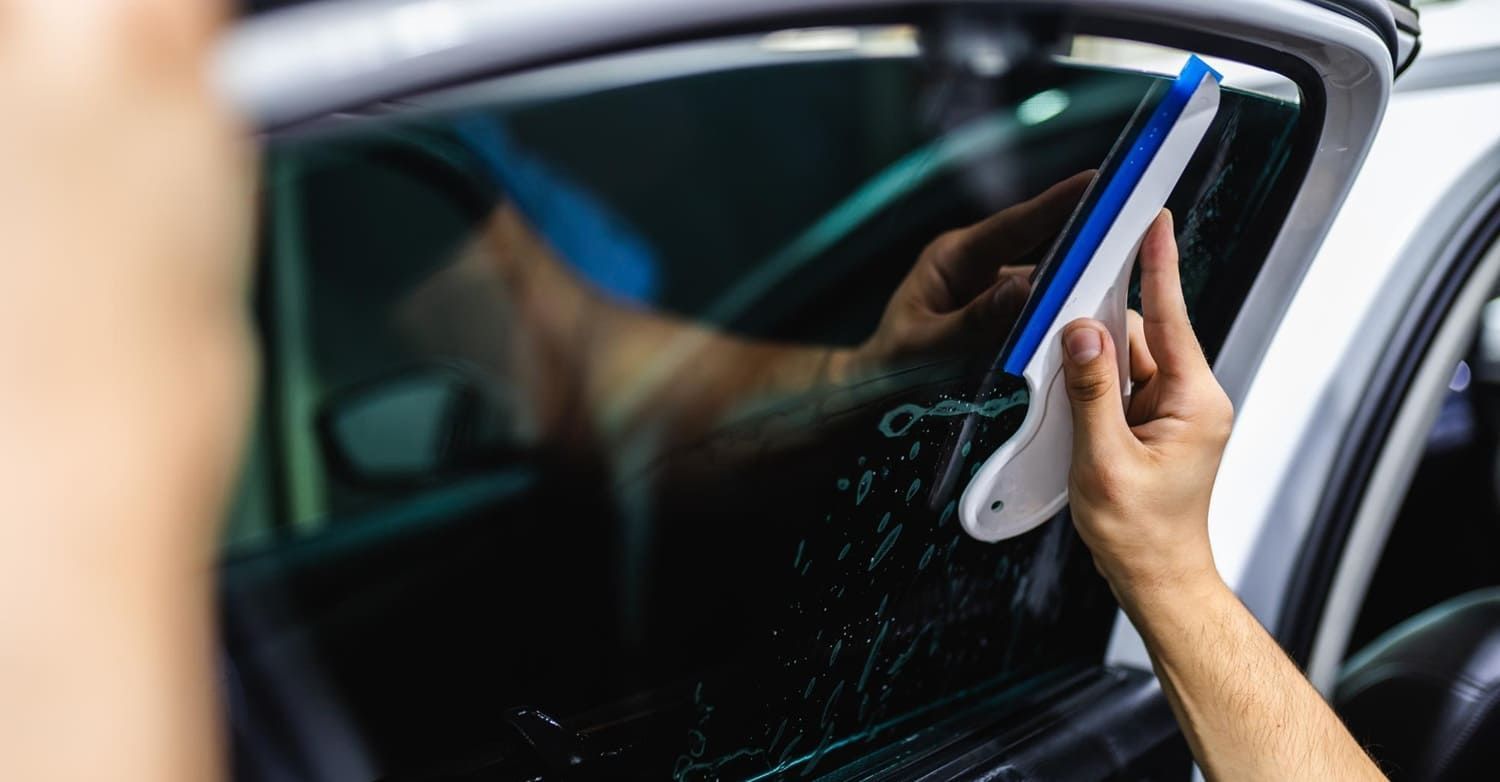
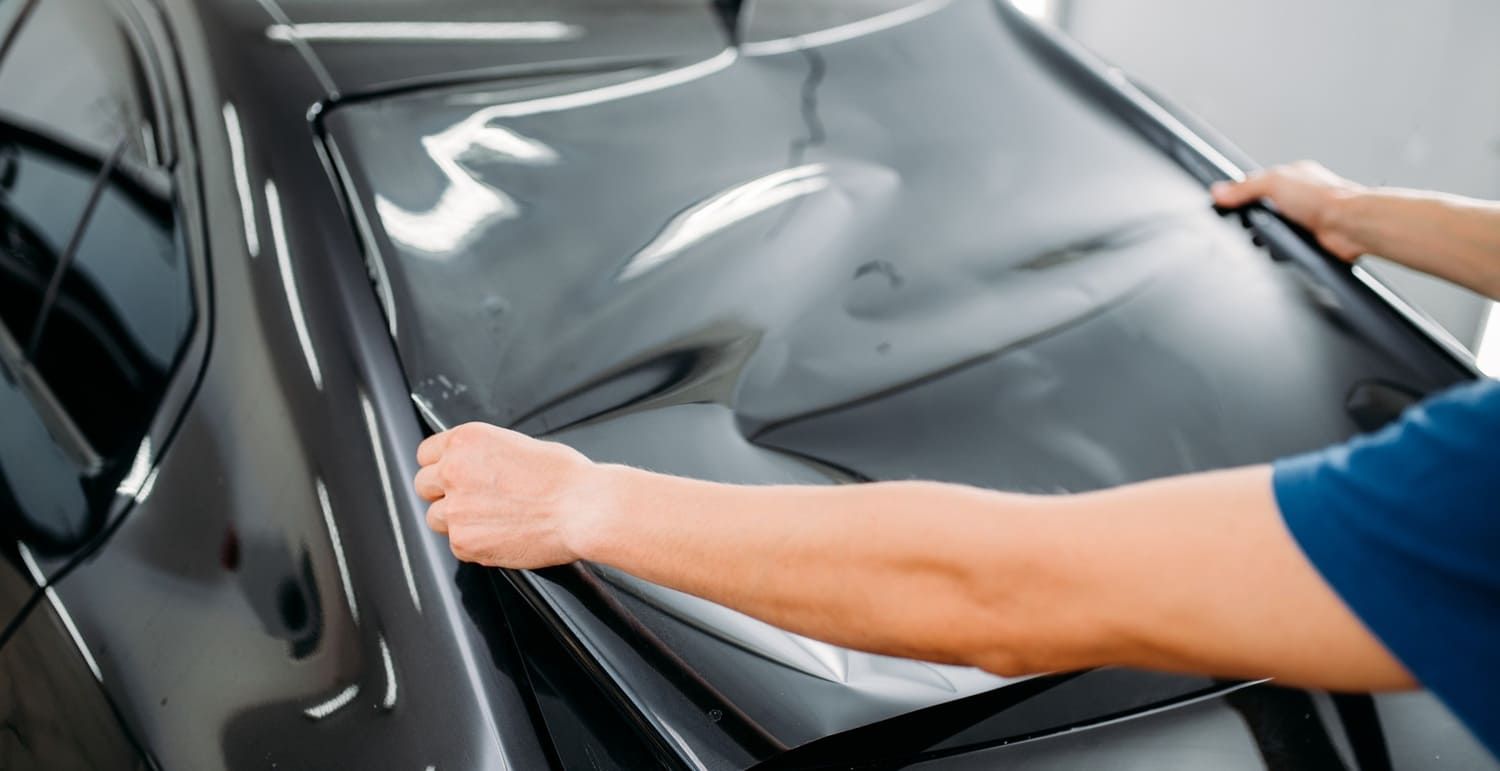
Quality window tinting requires more than just premium film—proper installation is key. For EV and hybrid vehicle owners, it’s important to work with specialists familiar with the unique wiring, sensors, and advanced electronics these cars use. Flying Window Tinters in Longwood, FL, brings years of expertise with the latest EV models, careful disassembly techniques, and an EV-focused approach that ensures every sensor and component is protected. Seek out licensed, insured installers who use advanced cutting tools and offer warranty-backed products. Your installer should also be able to recommend the best tint for electric vehicles, tailored to your specific brand and usage needs.
FAQ: Window Tinting for Electric and Hybrid Vehicles
Does window tint improve EV driving range?
Yes, reducing cabin heat lowers AC use, which conserves battery power and can improve range, especially in Florida heat.
Will tinting my electric or hybrid vehicle’s windows interfere with GPS or Bluetooth?
No, ceramic and nano-ceramic films are designed to be signal safe for EVs and hybrids.
What VLT percentage is legal for EV front windows in Florida?
Florida requires at least 28% VLT on front side windows for passenger vehicles.
Can I tint the panoramic roof on my EV?
Yes, but it’s important to use high-performance ceramic films to block heat without reducing natural light excessively.
How long does premium EV window tint last?
Top-quality ceramic tints can last 10–15 years with proper care, often backed by lifetime warranties.
Will window tint protect my car’s digital displays and interiors?
Absolutely. Quality tint blocks UV and IR rays, preventing fading, cracking, and electronics overheating.
Is there special maintenance for EV tints?
Gently clean with soft cloths and avoid abrasive chemicals. Follow your installer’s care advice for longest lifespan.
Does Florida’s sun damage window tint over time?
Premium ceramic films are engineered to withstand intense UV exposure without fading or bubbling.
What’s the best window tint for energy efficiency in EVs and hybrids?
Ceramic or nano-ceramic tints deliver the highest heat rejection, maximizing energy efficiency for Florida drivers.
Can any auto shop install tint on EVs, or do I need a specialist?
While many shops offer tinting, EV and hybrid owners should always select installers with advanced experience and understanding of electric vehicle architecture.
Conclusion: Your Next Steps for Premium EV Tint
When it comes to protecting your investment, enhancing your driving experience, and boosting the efficiency of your electric or hybrid vehicle, choosing the right window tint makes a measurable difference. Advanced ceramic and nano-ceramic window films deliver superior heat rejection, signal-safe performance, and long-lasting durability designed for today’s high-tech vehicles. For drivers in Longwood, FL, Flying Window Tinters is your trusted local expert for EV-safe window tinting. Contact us today to speak with our specialists and request your free estimate for custom window tint solutions tailored to your electric or hybrid vehicle. Drive cooler, smarter, and farther—choose premium protection with Flying Window Tinters.