What's the Best Windshield Tint Option (and Is It Legal in Florida)? A Guide for Orlando-Area Drivers
For most Florida drivers, the best legal windshield tint is a non-reflective ceramic visor strip applied above the windshield's AS-1 line. Florida law doesn't allow tint below that line, even clear or nearly clear film, unless you hold a medical exemption from the state. If you do qualify, the best full-windshield option is a high-visibility, clear nano-ceramic film such as LLumar AIR. It rejects heat and blocks more than 99% of UV rays without darkening your view.
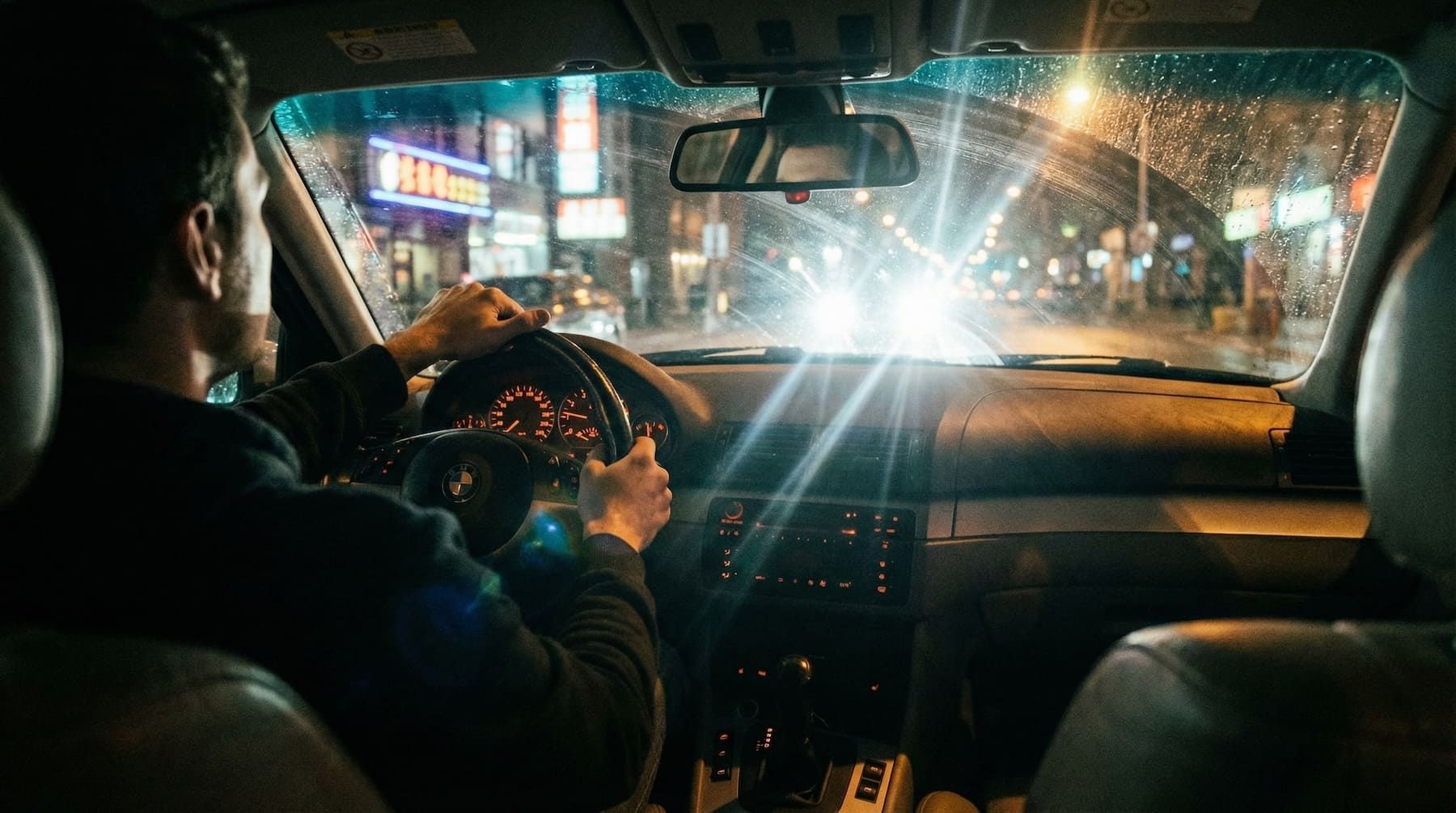
Drivers in Longwood, Orlando, Lake Mary, and across Seminole County ask about windshield tint every summer. The windshield is your car's largest piece of glass, and it faces the sun directly on every commute down I-4 or SR-417. Heat and glare through the windshield make the drive less comfortable, and more dangerous.
This guide covers:
- The windshield tint options available
- Which type performs best
- What Florida law allows
- How to get the most heat and glare relief while staying legal
What Does Florida Law Say About Windshield Tint?
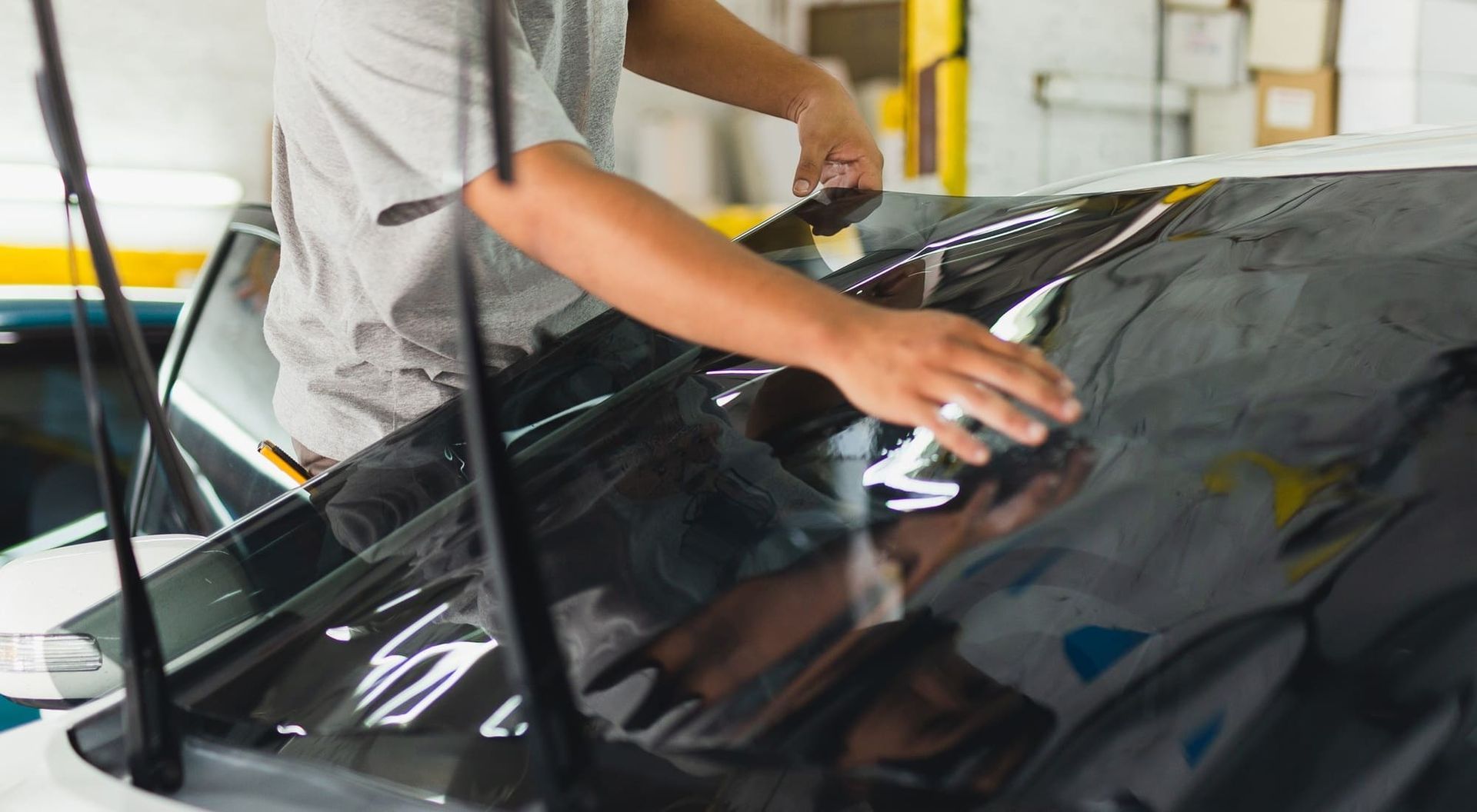
Florida's windshield rules are in Florida Statutes §316.2952. The law prohibits driving with any sunscreening material attached to the windshield, with one tint-related exception: a strip along the top of the windshield. That strip must be transparent and must not extend into the driver's direct forward viewing area, which federal standard FMVSS 205 defines as the AS-1 portion of the windshield.
In practical terms:
- Legal: a non-reflective tint strip above the AS-1 line
- Not legal: any film below the AS-1 line, regardless of how light it is, unless you have a medical exemption
- Not legal anywhere in Florida: colored tints, and reflectivity beyond state limits
| Windshield Option | Legal in Florida? | Notes |
|---|---|---|
| Non-reflective visor strip above the AS-1 line | Yes | The most popular legal windshield upgrade |
| Clear or nearly clear full-windshield film | Only with a medical exemption | The statute restricts any sunscreening material below the AS-1 line |
| Light (70% or 80%) full-windshield tint | Only with a medical exemption | Visible light percentage doesn't matter for the windshield |
| Dark full-windshield tint | No | Unsafe for night driving, even where an exemption allows film |
| Reflective or mirrored windshield film | No | Florida requires the strip to be non-reflective |
Where Is the AS-1 Line on Your Windshield?
Most windshields have a small "AS-1" marking etched near the top edge, usually on the driver or passenger side. It marks the upper boundary of the area federal standards reserve for clear forward visibility. A legal tint strip, often called a visor strip, eyebrow, or sun strip, stays above that line.
If you can't find the marking, a professional installer can identify it and cut a strip that stays compliant.
What Are the Different Types of Windshield Tint?
Not all windshield films perform the same. The material inside the film affects heat rejection, clarity, and whether it interferes with your electronics.
| Film Type | Heat Rejection | Optical Clarity | Signal Interference | Best Windshield Use |
|---|---|---|---|---|
| Dyed film | Low to moderate | Good | None | Budget visor strips |
| Metallized film | Moderate to high | Good | Can affect GPS and toll transponders | Not ideal; reflectivity limits apply |
| Carbon film | Moderate | Good | None | Visor strips with a matte look |
| Nano-ceramic film | High | Excellent | None | Visor strips and medically exempt full windshields |
| Clear nano-ceramic (LLumar AIR) | High, without darkening | Excellent | None | Best for medically exempt full windshields |
Why Is Ceramic the Best Windshield Tint Option?
Ceramic film is the best choice for the windshield, whether you're installing a legal visor strip or a full windshield under a medical exemption:
- It targets heat, not just light. Nano-ceramic particles reject infrared heat, so the film keeps the cabin cooler without needing to be dark.
- It's non-reflective. Florida requires windshield sunscreening to be non-reflective, and ceramic films deliver performance without a mirrored finish.
- It won't block signals. Many Central Florida drivers mount a SunPass or E-PASS transponder on the windshield and rely on GPS, phones, and keyless entry. Ceramic films are metal-free, so they won't interfere.
- It stays clear. High-quality ceramic films offer excellent optical clarity, which matters most on the glass you look through every second you drive.
Flying Window Tinters offers several ceramic options:
- FormulaOne Pinnacle nano-ceramic
- LLumar CTX nano-ceramic
- FormulaOne Stratos, a non-metal hybrid film that rejects up to 63% of solar heat
- LLumar AIR, a clear, high-visibility nano-ceramic
Every one blocks more than 99% of UV rays and carries a lifetime manufacturer's warranty.
What Is the Best Windshield Film If You Have a Medical Exemption?
Florida Statutes §316.29545 lets FLHSMV issue medical exemption certificates to people with lupus, autoimmune diseases, or other medical conditions that require limited exposure to light. The certificate allows sunscreening material on the windshield, side windows, and rear windows beyond normal limits.
If you qualify, the best choice for the full windshield is a clear, high-visibility ceramic film rather than a dark tint. LLumar AIR is designed for this. It provides strong heat rejection and more than 99% UV protection without changing the look of the glass, and it has the optical clarity you need for safe driving day and night.
How the exemption process generally works:
- Complete FLHSMV Form HSMV 83390, Application for Sunscreening Medical Exemption
- Have a licensed physician certify your qualifying condition
- Submit it with a copy of your Florida driver license or ID card
- Keep the certificate with the vehicle. It's tied to that specific vehicle and becomes void if the vehicle is sold or transferred.
What Happens If You Install Illegal Windshield Tint?
A windshield violation under §316.2952 is a noncriminal traffic infraction, handled as a nonmoving violation. It still carries real costs:
- A citation and fine, plus court costs that vary by county
- Paying to have the film removed
- Repeated traffic stops, since a full-windshield film is easy for officers to spot
- Money wasted on a film you can't keep
Flying Window Tinters regularly fixes cheap, poorly installed tint jobs. Doing it right the first time, with legal coverage and quality film, costs less in the long run.
How Else Can You Reduce Heat and Glare Through the Front of Your Car?
1. Install a Ceramic Visor Strip
A ceramic strip above the AS-1 line cuts overhead glare during early-morning and late-afternoon drives. It's fully legal and blends cleanly with the windshield.
2. Upgrade Your Front Side Windows
Florida allows front side windows that let in more than 28% of light. A high-performance ceramic film at a legal shade on the front doors makes a significant comfort difference, especially on your arms and face.
3. Tint the Rear and Back Side Windows
Sedans may tint the back side and rear windows to more than 15% light transmission, while SUVs, trucks, and vans may go to more than 6%. Ceramic film on these windows reduces the total heat entering the cabin.
4. Use a Reflective Sunshade When Parked
A sunshade keeps the dashboard and steering wheel cooler while your car sits in an open lot.
5. Choose the Right Installer
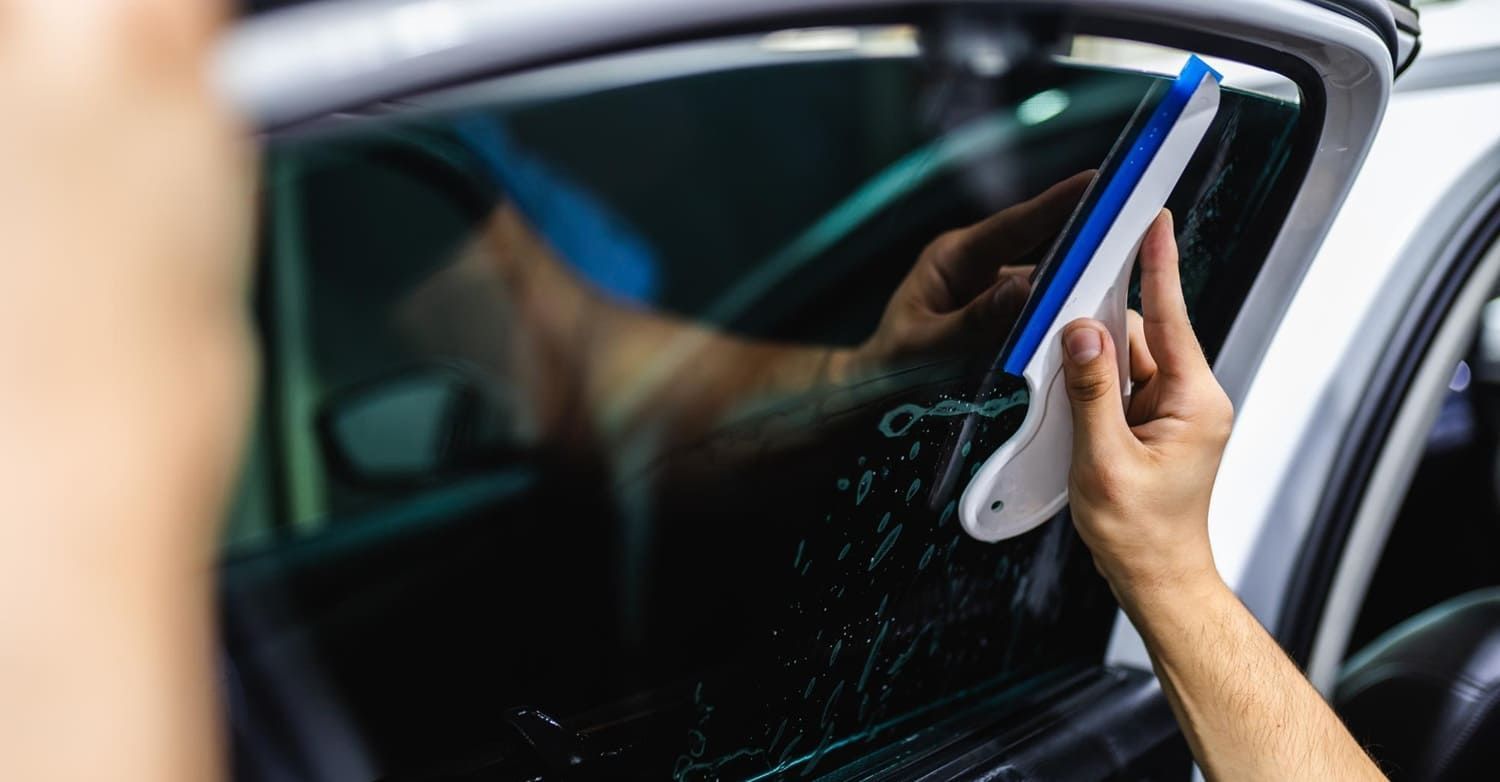
Windshield visor strips require precise cutting along a curved, sloped edge. Experienced installers who work indoors in a clean, temperature-controlled bay deliver straight edges, no contamination, and no bubbles.
Florida Tint Limits for Every Window
| Window | Sedans | SUVs, Trucks, and Vans |
|---|---|---|
| Windshield | Non-reflective strip above the AS-1 line | Non-reflective strip above the AS-1 line |
| Front side windows | Must allow more than 28% of light in | Must allow more than 28% of light in |
| Back side windows | Must allow more than 15% of light in | Must allow more than 6% of light in |
| Rear window | Must allow more than 15% of light in | Must allow more than 6% of light in |
| Rear window | Front sides no more than 25%; back sides no more than 35% | Front sides no more than 25%; back sides no more than 35% |
Why Central Florida Drivers Choose Flying Window Tinters
Flying Window Tinters has served Longwood, Orlando, and Seminole County since 1981. The second-generation, locally owned shop is an exclusive LLumar SelectPro dealer offering the full FormulaOne line, and it's a member of the International Window Film Association (IWFA). LLumar SelectPro dealers are evaluated on customer experience before earning that status.
What sets the team apart is a commitment to quality over volume:
- All work done in-house. Every installation happens on-site, indoors, where temperature and cleanliness are controlled.
- No sub-contracting. The same experienced team handles every job.
- Willingness to redo steps. The shop would rather redo a step than settle for less than perfect.
- Lifetime manufacturer's warranty on FormulaOne and LLumar automotive films.
Want to compare films before you decide? Use the automotive film viewer on our website, or stop by the shop to see samples in person.
Frequently Asked Questions About Windshield Tint
Is windshield tint legal in Florida?
Only a non-reflective tint strip above the windshield's AS-1 line is legal for most drivers. Film below that line requires a valid Florida medical exemption.
Is clear windshield film legal in Florida?
Florida's statute restricts any sunscreening material on the windshield below the AS-1 line, not just dark tint. Clear and nearly clear films require a medical exemption to cover the full windshield.
What is the best type of windshield tint?
Nano-ceramic film is the best option. It rejects heat without heavy darkening, it's non-reflective, it stays optically clear, and it won't interfere with GPS, phones, or toll transponders.
Will windshield tint interfere with my SunPass or E-PASS?
Ceramic films are metal-free and won't interfere with toll transponders. Metallized films can affect electronic signals, which is one reason ceramic is preferred for windshields.
How wide can a windshield visor strip be in Florida?
The strip can extend down from the top of the windshield but must stay above the manufacturer's AS-1 line.
Can I get a medical exemption for windshield tint in Florida?
Yes, if you have a qualifying condition such as lupus or another autoimmune or light-sensitive condition. Apply with FLHSMV Form HSMV 83390 and a physician's certification.
Get the Best Legal Windshield Tint in Longwood and Orlando
The best windshield tint for most Florida drivers is a non-reflective ceramic visor strip above the AS-1 line. It's legal, effective against glare, and signal-friendly. If you have a qualifying medical exemption, a clear nano-ceramic film like LLumar AIR is the best full-windshield option. Pair either with high-performance ceramic film on the rest of your windows for maximum comfort.
Ready to upgrade your windshield and windows the right way? Contact Flying Window Tinters for a free estimate:
- Call: (407) 695-8468 | Toll-free: (866) 330-8676
- Visit: 407 N US Hwy 17-92, Longwood, FL 32750
- Hours: Monday–Friday, 9:30 a.m.–5 p.m.; Saturday, 9 a.m.–5 p.m.
Can Window Tint Interfere With ADAS Cameras and Sensors? What Longwood & Orlando Drivers Should Know